
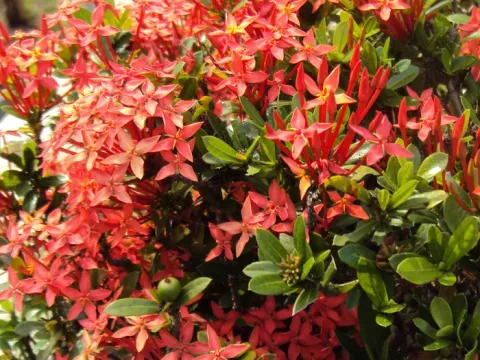
Ixora brevifolia
Ixora brevifolia
Ixora brevifolia is a perennial evergreen shrub belonging to the Rubiaceae family. Originally native to tropical regions, this species thrives in humid environments and is widely recognized for its high ornamental value in greenhouse and landscape horticulture.
What the section contains
Ixora brevifolia
Climate requirements for this culture include consistent warmth, typically between 20 and 28 degrees Celsius. The plant is sensitive to cold drafts and sudden thermal shifts, which can lead to significant defoliation and growth stagnation.
Regarding soil, the species prefers a well-draining, acidic substrate. A mix containing peat moss, perlite, and pine bark is often recommended to maintain the necessary soil structure and pH levels for healthy root development.
Proper cultivation requires bright, filtered light. While the plant appreciates tropical sun intensity, it must be protected from direct, scorching rays during mid-day to prevent leaf burn and maintain foliage luster.
Horticultural management involves precise irrigation using non-alkaline water. Humidity control is essential, often managed through automatic misting systems or by placing the plant in environments with naturally high moisture levels.
The primary threats to Ixora brevifolia involve root pathogens arising from stagnant water in the root zone. Phytophthora and Pythium species are frequent culprits in poorly drained cultivation setups.
Common pests include spider mites, mealybugs, and aphids, which target the underside of the foliage and young terminal buds. Early detection is crucial, as these pests can cause rapid debilitation of the shrub.
Iron deficiency chlorosis is a frequent physiological disorder observed when the soil pH rises above the optimal range. Corrective applications of chelated iron supplements are standard practice to restore the green color of the leaves.
Preventive pest management often involves the use of systemic insecticides or biological controls, such as predatory mites, to manage mite populations without damaging the plant's delicate tissues.
Strict sanitation protocols during propagation and repotting are recommended to avoid introducing pathogens into the growing environment. Maintaining clean tools and high-quality inputs minimizes the risk of widespread infestation.