
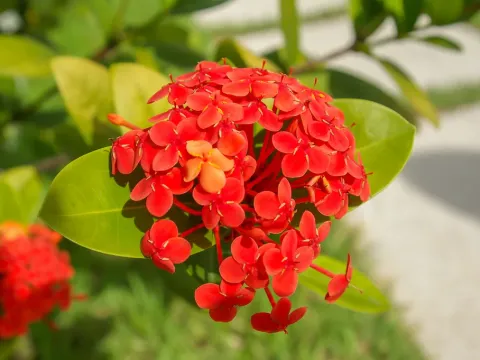
Ixora
Ixora L.
Ixora (Ixora L.) is a genus of evergreen shrubs and small trees belonging to the Rubiaceae family. Native to the tropical and subtropical regions of Africa, Asia, and the Americas, it thrives in warm, humid environments often associated with tropical forest understories.
What the section contains


Ixora
The botanical structure of the plant features leathery, glossy leaves and dense, corymb-shaped inflorescences. These clusters consist of numerous tubular flowers that exhibit vibrant colors, including scarlet, orange, yellow, and pink, which define its ornamental value in agricultural production.
Effective cultivation requires consistent temperatures between 20°C and 25°C. High atmospheric humidity is critical for optimal growth, and growers must avoid exposing plants to cold drafts or rapid temperature fluctuations, which can trigger leaf drop.
The soil requirements for Ixora involve well-draining, slightly acidic substrates. It is essential to provide adequate drainage to prevent water stagnation, which is one of the leading causes of root system failure in controlled environment agriculture.
Agronomic management includes frequent fertilization with balanced nutrients during the growing season and periodic pruning. This practice is essential for maintaining a compact, bushy shape and ensuring vigorous flower development on new shoots.
Common pests affecting Ixora include aphids, scale insects, mealybugs, and spider mites. These pests thrive in environments with poor air circulation and can cause significant damage to foliage and flower development if left untreated.
Fungal pathogens such as root rot are typically associated with overwatering or poor soil drainage. Maintaining a strict irrigation schedule and monitoring substrate moisture levels are essential for minimizing the risk of fungal infections.
Nutritional deficiencies, specifically iron chlorosis, are frequent in alkaline soils. Implementing regular pH testing of the soil and applying chelated iron supplements can prevent yellowing of the leaves and promote healthy photosynthesis.
Integrated pest management (IPM) strategies, including the use of biological controls and selective application of systemic insecticides, are highly recommended to protect Ixora crops without causing ecological imbalance.
Sanitation practices, such as removing dead plant material and disinfecting pruning tools, are vital for disease prevention. Early detection through regular crop scouting allows for targeted intervention, ensuring the high quality of the horticultural output.