
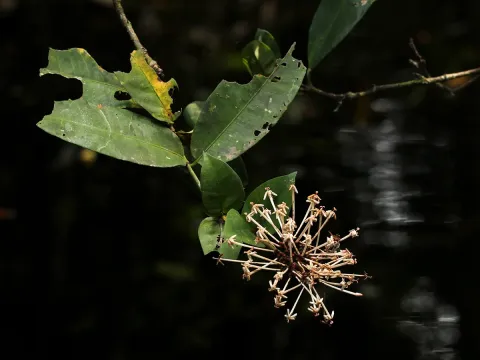
Ixora brachypoda
Ixora brachypoda
Ixora brachypoda is a notable species within the Rubiaceae family, native to tropical regions of Africa. This evergreen shrub is distinguished by its leathery leaves and characteristic dense inflorescences. It primarily thrives in humid tropical forest environments, making it a demanding plant for controlled cultivation settings.
What the section contains
Ixora brachypoda
The cultural requirements demand well-draining, acidic soil conditions to ensure optimal root health. Unlike many other crops, Ixora is sensitive to high alkalinity, which can block nutrient uptake and lead to severe growth stunting. It is recommended to use specialized potting mixes that mimic the forest floor composition for container-grown specimens.
Climate management is crucial for the survival and productivity of the species. It requires consistent temperatures between 20°C and 28°C and high atmospheric humidity. It lacks cold hardiness and must be maintained in greenhouses or controlled glasshouse environments in regions experiencing seasonal temperature drops below 15°C.
Agricultural management involves meticulous nutrient application, focusing on acidic fertilizers and iron chelates to maintain chlorophyll synthesis. Regular pruning is essential not only for aesthetic shaping but also to encourage denser branching, which in turn leads to a more profuse floral display during the peak flowering season.
In terms of economic use, the primary value of Ixora brachypoda lies in the ornamental nursery industry. It is highly sought after for interior landscaping in public spaces, shopping centers, and conservatories. Its ability to tolerate low-light conditions compared to other tropical flowering plants adds to its commercial viability.
Common pests affecting Ixora brachypoda include aphids, spider mites, and scale insects. These pests thrive in low-humidity indoor environments, and their infestation can rapidly degrade the plant's ornamental quality. Early detection and treatment with horticultural oils or soaps are recommended.
Pathogenic threats are dominated by fungal issues such as leaf spot and root rot, which are often exacerbated by poor air circulation and excessive moisture levels. Implementing strict sanitation practices and ensuring optimal spacing between plants can significantly reduce the risk of infection in large-scale nursery settings.