
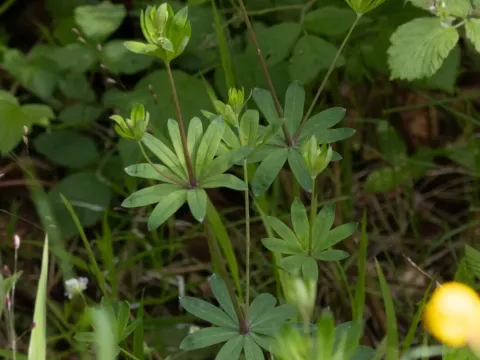
Wood bedstraw
Galium sylvaticum
Wood bedstraw (Galium sylvaticum) is a perennial herbaceous plant belonging to the Rubiaceae family. It is naturally found in the deciduous forests of Europe and the Caucasus region.
What the section contains
Wood bedstraw
The plant thrives in moist, humus-rich, and well-drained soils. It prefers a slightly acidic to neutral pH balance, which allows for optimal nutrient absorption and vigorous vegetative growth.
As a shade-loving species, it requires minimal direct sunlight, making it an excellent candidate for forest-farming systems or ground cover in shaded agricultural sectors.
Agricultural management should focus on maintaining consistent soil moisture. Organic fertilizers, such as leaf mold or compost, are highly recommended to replicate the natural forest floor environment.
Economically, Galium sylvaticum is utilized primarily for its phytochemical properties in traditional herbal medicine and as a decorative ground cover in landscape architecture.
Fungal diseases, specifically powdery mildew, represent the most significant threat to wood bedstraw, particularly in environments with poor air circulation or excessive humidity.
Slugs and snails are the most common pests, as they feed on the succulent leaves of the plant, especially during damp weather conditions or in the early stages of plant development.
Preventative measures include managing planting density to ensure adequate airflow, which is critical in suppressing the development of fungal spores.
Integrated pest management, including the use of physical barriers for mollusks and targeted biological fungicides, can effectively maintain crop health.
Regular monitoring of foliage throughout the growing season is essential to detect early signs of infestation and prevent widespread damage to the harvestable biomass.