
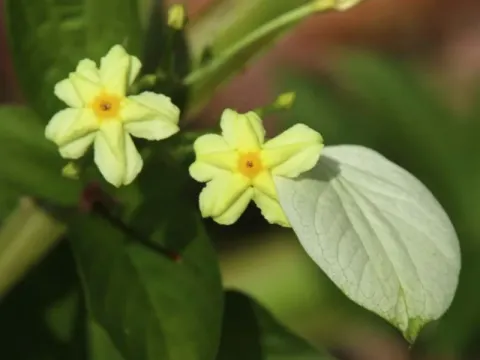
Yellow Mussaenda
Mussaenda flava
Yellow Mussaenda (Mussaenda flava) is an evergreen ornamental shrub belonging to the Rubiaceae family. Originally from tropical regions of Southeast Asia, it is now cultivated globally in tropical and subtropical climates as a prominent feature in landscaping.
What the section contains
Yellow Mussaenda
This species requires consistently warm temperatures, ideally between 18 and 25 degrees Celsius, to thrive. It is highly intolerant of frost, which restricts its outdoor cultivation to frost-free zones or necessitates indoor maintenance in temperate climates.
Optimal growth is achieved in fertile, well-draining, and slightly acidic to neutral soils. While it appreciates constant soil moisture, it is imperative to ensure that the medium does not become waterlogged, as poor drainage is a primary cause of root failure.
Light availability is critical; the plant thrives in bright, indirect sunlight. Excessive exposure to harsh, direct midday sun can result in leaf scorching, particularly in younger specimens, necessitating partial shade during the hottest parts of the day.
Botanically, the plant is famous for its large, bright yellow sepals that act as bracts, mimicking the appearance of petals. The true flowers are small, star-shaped, and tubular, clustered within the bracts, adding a unique texture to the shrub’s overall display.
The primary use of Yellow Mussaenda is ornamental; it is highly valued for parks, botanical gardens, and residential landscaping. Its ability to bloom for extended periods makes it a popular choice for vibrant, year-round color in tropical gardens.
In nursery production, the yield is defined by the quality and quantity of healthy, bushy plants. Effective cultivation involves careful training and pruning, which helps in developing a dense crown that is highly marketable for commercial use.
Propagation is primarily performed through stem cuttings, which are treated with rooting hormones and maintained in high-humidity chambers. This technique ensures that the resulting plants maintain the desired characteristics and vigor of the parent stock.
Regular pruning is essential for maintaining the shape and stimulating the production of new flowering shoots. By removing old or weak branches, growers encourage the plant to allocate its energy into forming vibrant new growth and flower clusters.
Fertilization with a balanced, slow-release formula ensures consistent nutrient availability during the peak growing season. Maintaining high standards of soil health and nutritional balance is essential for achieving the intense coloration of both foliage and bracts.
The most common pests affecting Mussaenda flava are spider mites and mealybugs, which thrive in low-humidity environments. These pests can rapidly decrease the aesthetic value of the foliage and cause premature leaf drop if left unmanaged.
Root rot is the most significant disease risk, often triggered by over-irrigation and poor drainage conditions. To mitigate this risk, it is recommended to use specialized potting mixes that facilitate oxygen flow to the root zone.
Chlorosis is a frequent issue if the soil pH is not maintained or if there is a deficiency in iron or magnesium. Periodic soil testing and the application of micronutrient foliar sprays can effectively prevent or correct these nutrient-related problems.
Good air circulation is vital in greenhouse environments to prevent the spread of fungal pathogens. High humidity combined with stagnant air provides an ideal climate for mold, which can quickly degrade the quality of the ornamental foliage.
Integrated pest management, including regular monitoring and the use of targeted biological or chemical controls, is the best approach for maintaining healthy shrubs. Proactive care ensures that the plant remains vigorous and continues to display its brilliant yellow inflorescences.