
White bedstraw
Galium album
Description
Growing requirements
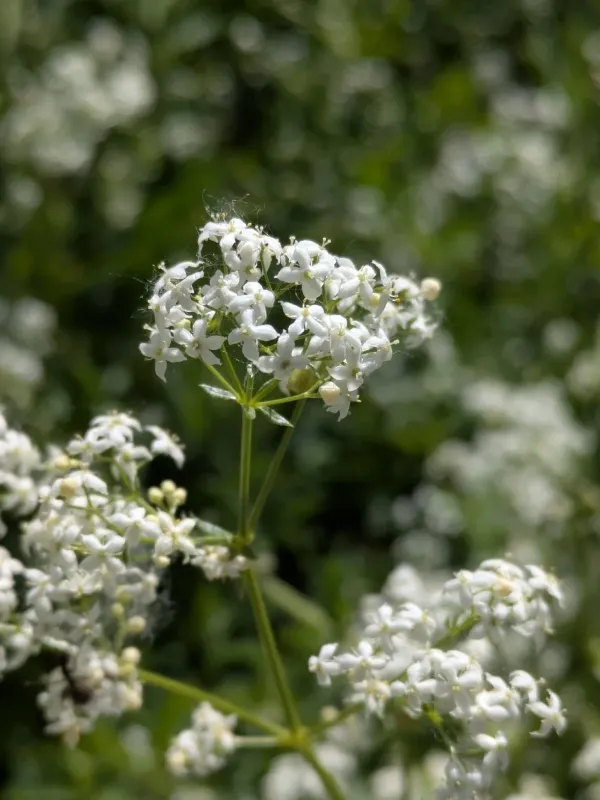
White bedstraw (Galium album) is a perennial herbaceous plant belonging to the Rubiaceae family. Characterized by its sturdy root system and upright, branching stems, this plant is well-adapted to surviving in diverse temperate meadow ecosystems.
The crop thrives in well-drained, moderately fertile soils. It shows broad adaptability regarding soil pH levels, although it performs most efficiently in slightly acidic to neutral soils with consistent moisture availability throughout the growing season.
Climatically, the species is known for its impressive frost tolerance and moderate drought resistance. It prefers sunny locations for optimal development, as shading significantly restricts biomass accumulation and photosynthetic efficiency.
Agronomic management involves standard seedbed preparation and early-stage weed suppression, as initial development is relatively slow. The application of potassium and phosphorus fertilizers is recommended to enhance root establishment and overall forage quality.
Economically, white bedstraw is valued as a components of high-quality pastures and hay mixes. Furthermore, it has long been recognized for its applications in herbal medicine and as a potential source of botanical extracts.
Main diseases and pests
The most common pathological issues affecting white bedstraw are various rust fungi that appear as localized pustules on foliage. Proactive management involves ensuring adequate space between plants to improve airflow and moisture dissipation.
Pest management focuses on controlling leaf-feeding beetles and aphids. In instances of heavy infestation, these insects can significantly stunt growth, leading to reduced yield in terms of green mass and seed production.
Powdery mildew can emerge during periods of high humidity and temperature fluctuations, significantly impacting the palatability of the forage. Implementing crop rotation helps mitigate the build-up of soil-borne pathogens.
Preventive measures include balanced nutrition, which helps the plants develop a thicker cuticle and greater resistance to pest attacks. Avoiding chemical overuse helps maintain the balance of beneficial insects in the field.
Frequent field inspections are essential for sustainable production. Identifying outbreaks early and removing affected plant parts can often prevent the necessity for widespread chemical intervention in forage stands.