
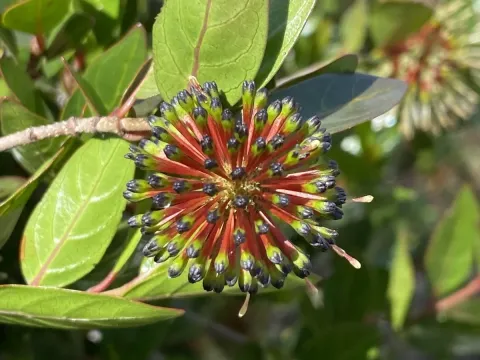
Cephalanthus natalensis
Cephalanthus natalensis
Cephalanthus natalensis is a botanical species belonging to the Rubiaceae family. This evergreen shrub is native to the regions of Southern Africa, thriving in specific tropical and subtropical environmental conditions.
What the section contains
Cephalanthus natalensis
The crop demands well-drained, nutrient-rich soils that maintain moisture without becoming waterlogged. Neutral to slightly acidic soil reaction is considered ideal for healthy plant development.
Consistent light exposure is essential for photosynthesis and flowering. While the plant can tolerate partial shade, maximum yield is achieved in full, bright, filtered sunlight.
Temperature regulation is critical for this species. It is highly sensitive to frost and extreme cold, requiring a stable climate to prevent physiological damage and ensure successful fruit set.
Agrotechnical practices involve regular pruning to manage the bush size and canopy density, which facilitates better air circulation and sunlight penetration for all parts of the shrub.
The economic value of this crop is primarily linked to its edible fruits, which are consumed locally and appreciated for their distinct nutritional profile and unique culinary characteristics.
Fruit production occurs on mature branches, and harvesting must be performed with precision due to the delicate texture of the berries, which are prone to bruising during collection.
Yield stability depends on consistent watering regimes and the application of organic fertilizers during the active growth phase, which significantly enhances the quantity and quality of the harvest.
Post-harvest handling requires rapid cooling to extend the shelf life of the berries, as they are susceptible to rapid degradation at ambient tropical temperatures.
Research into selecting high-yielding varieties is ongoing, as there is potential for integrating this crop into more formal agricultural systems to supply regional food markets.
Fungal diseases represent a significant threat to Cephalanthus natalensis, particularly in humid environments where air stagnation encourages the growth of pathogens on foliage and stems.
Common pests include spider mites and mealybugs, which feed on the plant sap, causing stunted growth and yellowing of the leaves if left uncontrolled by the grower.
Integrated Pest Management (IPM) strategies, including biological control and careful irrigation management, are recommended to minimize the reliance on synthetic chemical applications.
Good sanitation practices, such as removing fallen leaves and pruning infected twigs, are essential for reducing the inoculum density of fungal spores within the cultivation area.
Constant monitoring of the plant health status, especially during the fruit-ripening phase, is crucial to detect pest outbreaks or nutrient deficiencies before they impact the final yield.