
Chimarrhis
Chimarrhis
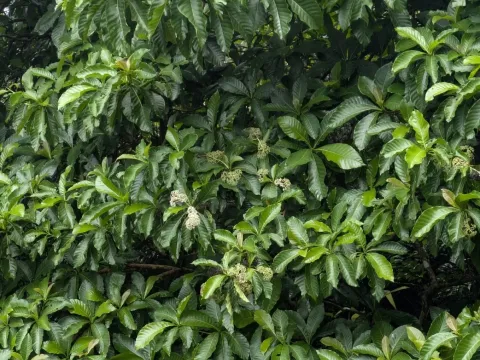
Chimarrhis is a genus of flowering plants belonging to the family Rubiaceae. These trees are native to the tropical regions of Central and South America, where they form an integral part of the local forest structure.
What the section contains

Chimarrhis
The culture thrives in environments with high humidity and consistent warm temperatures. Ideal growth is achieved in well-drained, fertile soil types rich in organic matter, typical of tropical rainforest substrates.
Effective agronomic management requires shelter from strong winds, especially during the early developmental stages. Proper soil moisture management is essential for healthy biomass accumulation.
Light management involves ensuring young trees have partial shade, mirroring their natural forest habitat, while mature specimens adapt well to more direct sunlight exposure.
As a tropical genus, Chimarrhis is highly sensitive to cold temperatures and cannot survive frost. Therefore, its cultivation is strictly restricted to equatorial and tropical zones across the globe.
The primary economic focus for Chimarrhis cultivation is high-quality timber production. Harvesting is a long-term process that requires careful monitoring of the tree's growth rate and girth.
Harvesting is typically conducted during the dry season. This timing facilitates easier transport and optimizes the initial wood moisture content, which is vital for quality control.
Sustainable forestry practices, such as selective logging, are encouraged to protect the ecosystem. This approach helps in maintaining long-term productivity of the plantation areas.
Chimarrhis wood is valued for its durability and strength, making it suitable for various structural applications and heavy-duty carpentry projects.
Proper post-harvest treatment, including specialized drying and seasoning, is necessary to prevent structural defects in the timber and to ensure market-grade quality.