
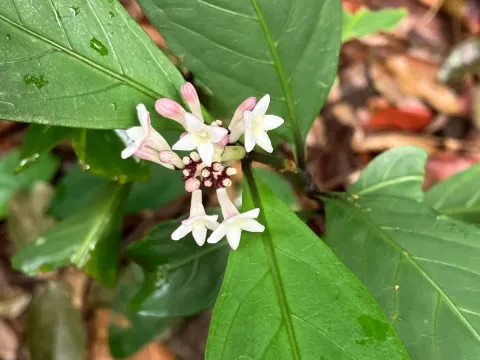
Chassalia
Chassalia
Propagation of Chassalia is typically achieved through seeds or stem cuttings within a controlled greenhouse environment. Fresh seeds should be sown immediately after harvest to ensure high viability rates.
What the section contains


Chassalia
The ideal sowing window is during the early spring to leverage increasing day length, which significantly boosts germination success. Maintaining a consistent temperature between 22–25°C is crucial for sprout development.
Vegetative propagation involves taking semi-hardwood cuttings during the active growing season. These cuttings are placed in a porous, sterile medium, often with the benefit of bottom heat to encourage rapid rooting.
High relative humidity is essential throughout the propagation phase; therefore, covering the trays with clear plastic or using humidity domes is standard practice. Daily ventilation helps manage humidity levels and prevents fungal issues.
Once roots have sufficiently developed, the young plants are transplanted into individual pots filled with a nutrient-rich, well-draining potting mix to support subsequent vegetative growth.
Chassalia is a genus of flowering plants belonging to the Rubiaceae family, native to the tropical forest understories of Africa, Asia, and islands across the Indian Ocean.
The species requires a strictly tropical climate to thrive, showing extreme sensitivity to cold temperatures and frost, which necessitates cultivation in greenhouses or conservatory settings in temperate regions.
The preferred soil profile is a light, slightly acidic, and highly porous substrate. A mixture comprising leaf mold, peat, and coarse sand is highly effective at providing the necessary aeration for root health.
Dappled or filtered light is the optimal light requirement for Chassalia, as it mimics the natural low-light conditions found beneath the forest canopy. Excessive direct sunlight can cause chlorosis or leaf scorch.
Consistent soil moisture is required; however, it must be balanced with excellent drainage. Overwatering is the most common cause of plant failure, leading to root rot and anaerobic soil conditions.
In indoor environments, Chassalia is susceptible to common greenhouse pests including spider mites, which thrive in low-humidity conditions, and mealybugs that congregate on tender stems.
The primary pathological threats are fungal infections, particularly root rot, which typically occurs due to poor drainage or excessive water retention in the potting medium.
Integrated pest management strategies should include regular inspection of foliage and proper maintenance of ambient airflow to disrupt the lifecycle of pests and disease-causing pathogens.
Preventive fungicide applications can be beneficial during periods of high humidity or lower light levels, which are conducive to the spread of leaf spot diseases.
Should an infestation occur, infected plants must be quarantined immediately, and appropriate chemical or biological controls should be applied to prevent further spread within the facility.