
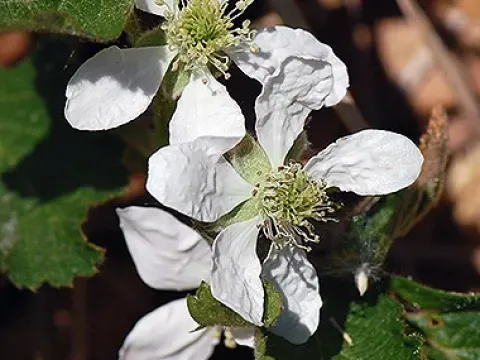
Rubus villosus
Rubus villosus
Rubus villosus, commonly known as a type of wild blackberry, belongs to the Rosaceae family. It is a perennial shrub that is predominantly propagated through vegetative methods.
What the section contains
Rubus villosus
The optimal time for planting is early spring, before the onset of active sap flow, or late autumn, allowing the plants to establish before the ground freezes.
Maintaining proper spacing, typically 1.5 to 2 meters between plants, is essential to ensure adequate air circulation and to prevent the development of fungal diseases.
The soil should be thoroughly prepared by removing perennial weeds and incorporating organic matter such as compost or manure to improve soil fertility and structure.
When planting, the root crown should be buried about 2–3 cm deep, followed by thorough irrigation and mulching to conserve moisture in the root zone.
This crop thrives in sunny locations protected from strong winds, which promotes healthy development and maximizes the sugar content in the ripening berries.
Ideal soils are fertile, loamy, or sandy-loam types with a pH range of 5.5 to 6.5, which ensures optimal nutrient uptake for the vigorous growth of the shrub.
Consistent moisture is crucial for Rubus villosus, especially during the flowering and fruit development phases, as drought stress can lead to small, flavorless fruit.
In regions with harsh winters, canes must be removed from trellises and covered with protective materials to prevent damage from freezing temperatures and ice.
A structured approach to trellis training is necessary to manage the long canes, which improves exposure to sunlight and facilitates more efficient harvesting.
The yield of Rubus villosus is heavily dependent on management practices, the age of the plants, and the nutritional support provided throughout the growing season.
Under intensive management with proper fertilization, a mature, healthy plant can produce between 3 to 6 kilograms of high-quality berries per season.
Fruit production typically begins in the second year after planting, with yields increasing annually as the root system and plant structure mature.
Regular pruning of spent, biennial canes is vital to encourage the growth of strong, new shoots that will serve as the primary producers for the following year.
Balanced fertilization, particularly with potassium and phosphorus, is essential to enhance fruit sugar levels, firmness, and overall shelf life after harvest.
The blackberry cane borer and various beetle species are among the primary pests that can inflict damage on buds and foliage, impacting overall plant vigor.
Gray mold (Botrytis cinerea) is a common fungal threat, particularly in humid conditions, which can quickly spread and cause significant fruit rot during ripening.
Preventative measures include regular sanitation of the orchard, such as removing debris and infected plant parts, and applying copper-based fungicides when necessary.
Integrated Pest Management (IPM) strategies are recommended, focusing on biological controls and minimal chemical intervention during the bloom period.
- Maintaining good orchard hygiene and ensuring proper spacing between plants significantly reduces the pressure from common soil-borne pathogens.
Harvesting Rubus villosus is a selective process, as berries do not ripen simultaneously, requiring multiple passes through the orchard to collect fruit at peak quality.
Berries should only be picked when they reach their full dark color and are sufficiently soft, ensuring optimal flavor and sweetness for fresh market consumption.
Picking in the early morning is recommended to avoid heat stress on the berries, which improves their firmness and extends their storage life after harvest.
Using shallow containers is essential to prevent fruit crushing, as the delicate nature of the berries makes them susceptible to damage under their own weight.
Post-harvest cooling is a critical step in maintaining quality, and harvested fruit should be refrigerated promptly to slow down respiration and spoilage processes.