
Ruscinon hawthorn
Crataegus ruscinonensis
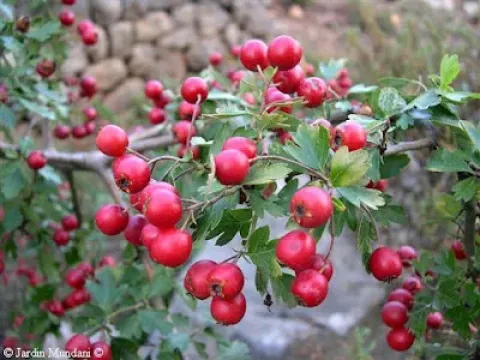
Ruscinon hawthorn (Crataegus ruscinonensis) is a member of the Rosaceae family. It is a natural hybrid species originating from the cross-pollination of the common hawthorn and other related species, which defines its specific morphological traits.
What the section contains
Ruscinon hawthorn
The plant grows as a deciduous shrub or a small tree, characterized by a moderate growth rate. Its leaves are distinctively lobed, and the stems are equipped with sharp thorns, which is a structural adaptation common to many species within this genus.
The culture has moderate climatic requirements, preferring regions with mild climates typical of southwestern Europe. While it can withstand short periods of drought, it requires sufficient sunlight during the summer months to ensure proper fruit development.
Preferred soil types include well-drained loams or sandy soils with a neutral to slightly alkaline pH. The shrub is highly sensitive to waterlogged conditions, so proper soil drainage is essential when planting in heavy or clay-rich areas to prevent root rot.
The agricultural and economic utility of this species is primarily focused on breeding programs and landscape architecture. Due to its ornamental value and ability to withstand frequent pruning, it is an excellent choice for creating dense, functional hedges.
The primary threats to the plant include fungal diseases typical of the Rosaceae family, such as powdery mildew and leaf rust. In periods of high humidity, bacterial blight can also affect the shoots and inflorescences, requiring careful monitoring.
Among common pests, leaf rollers and hawthorn moths pose the greatest danger, as their larvae can cause significant damage to the foliage. Implementing regular pruning of damaged wood and applying integrated pest management strategies are vital for maintaining plant vitality.