
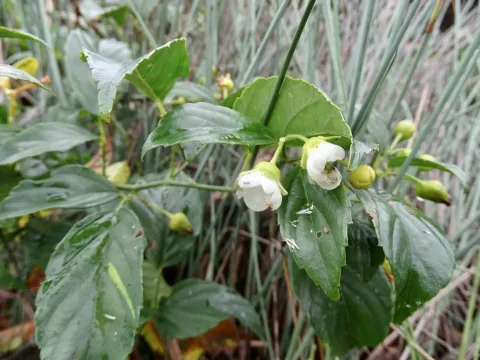
Rubus leucanthus
Rubus leucanthus
Rubus leucanthus is a perennial shrub belonging to the Rosaceae family. It is a distinctive member of the Rubus genus, known for its specific growth habits and potential as a berry-producing crop in temperate regions.
What the section contains
Rubus leucanthus
The species originates from the mountainous areas of East and Southeast Asia. In its natural habitat, it thrives in well-drained soils, often found on slopes where there is consistent moisture but excellent aeration to prevent root issues.
Optimal cultivation requires neutral to slightly acidic soil conditions. Like most Rubus species, it is highly sensitive to waterlogged environments, which can quickly lead to root rot and severe health degradation of the plant.
The climate should be characterized by mild summers and sufficient rainfall during the growing season. While it exhibits moderate hardiness, extreme cold or drying winds can damage the delicate shoots, necessitating protected planting sites.
Agricultural management involves careful pruning practices. Removing old canes after the harvest cycle promotes the growth of vigorous new stems, which are essential for maximizing fruit yield in the following season.
The primary economic use of Rubus leucanthus is the production of edible berries. These fruits contain beneficial vitamins and antioxidants, making them a valuable raw material for fresh consumption and the food processing industry.
Yield stability is heavily dependent on pollinator activity and moisture availability during the fruit-set stage. With professional agronomic support, the plant provides reliable harvests over a multi-year life cycle.
Beyond its culinary utility, the plant is valued for its potential in decorative landscaping. Its growth habit allows for the creation of aesthetic hedging that serves both functional and ornamental purposes in rural areas.
The berries are suitable for making jams, syrups, and preserves. Their unique biochemical profile offers possibilities for specialized food products, contributing to the diversity of the local berry market.
Researchers view Rubus leucanthus as a valuable genetic resource, potentially useful for cross-breeding programs aiming to develop new commercial varieties with improved resistance to environmental stressors.
The most common threats to Rubus leucanthus are fungal pathogens, specifically anthracnose and powdery mildew. These diseases thrive in environments with poor air circulation and excessive foliage density.
Common pests include the raspberry beetle and various species of mites that target the leaves and young fruits. A proactive integrated pest management (IPM) strategy is required to maintain plant health throughout the season.
Proper spacing is a vital preventative measure. By allowing adequate room between individual bushes, growers can ensure better drying of the foliage after rain, which significantly reduces the risk of fungal infections.
In colder regions, protection against rodents during winter is necessary. Physical barriers, such as mesh wraps around the base of the stems, are recommended to prevent bark damage caused by wildlife foraging.
Regular field scouting is essential to identify early signs of infestation or infection. Early intervention using approved biological or chemical agents helps keep the crop productive while minimizing yield losses.
Harvesting Rubus leucanthus is a labor-intensive process that should be carried out selectively. Since the fruits do not ripen simultaneously, multiple passes are required to collect berries at their peak flavor and firmness.
The best time to harvest is early morning, as the berries are firmer before the day's heat sets in. Careful handling is required to avoid bruising, as the fruit structure is quite delicate and prone to juice leakage.
Post-harvest handling is critical for maintaining quality. Berries should be stored in shallow, well-ventilated containers to prevent crushing and immediately moved to cooling facilities to extend their shelf life.
Logistics planning is essential for commercial operations. Rapid transportation from the field to the point of sale or processing plant is necessary to preserve the organoleptic qualities of the fresh product.
By following standardized harvesting procedures and maintaining strict sanitation in storage areas, growers can ensure a premium product that meets modern retail requirements for fresh berry supplies.