
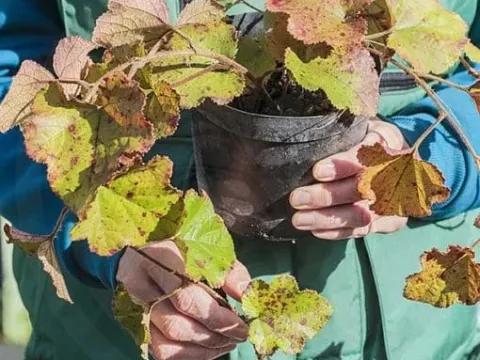
Rubus irenaeus
Rubus irenaeus
Rubus irenaeus is an evergreen shrub belonging to the Rosaceae family, originating from the mountainous forests of China. It is widely recognized for its attractive, leathery foliage that remains lush throughout the year.
What the section contains
Rubus irenaeus
This plant thrives in moist, well-drained, and nutrient-rich soils. It prefers partial to full shade, as intense direct sunlight can lead to leaf scorching, especially during the peak summer months.
The cultivation of this species requires a stable environment with high atmospheric humidity. In terms of soil maintenance, it is crucial to ensure that the substrate is slightly acidic and supplemented with organic matter like compost or peat.
Propagation of the plant occurs primarily through layering, where the stems naturally root upon contact with moist soil. This ability makes it an excellent choice for groundcover in woodland gardens or shaded landscape areas.
Cold hardiness is a significant factor in its management. In temperate climates, providing winter protection or planting in sheltered spots is recommended to prevent frost damage to the evergreen stems and foliage.
The primary threats to Rubus irenaeus include fungal diseases such as powdery mildew, which thrive in stagnant, humid air. Proper spacing is essential to ensure adequate airflow between individual plants.
Pests like aphids and spider mites frequently target the plant, particularly in dry and hot conditions. These insects can cause significant damage to the leaf structure, leading to premature wilting and loss of aesthetic value.
Integrated pest management, including regular inspection of the underside of leaves, is the most effective approach for control. Early detection prevents the development of massive infestations that are harder to treat.
To prevent disease, avoid overhead watering, which keeps the foliage damp for extended periods. Instead, apply water directly to the soil to keep the leaves dry and healthy throughout the growing season.
Regular sanitation, involving the removal of dead or decaying plant debris, is vital for a healthy garden. Cleanliness helps eliminate the overwintering sites of common garden pests and fungal spores.