
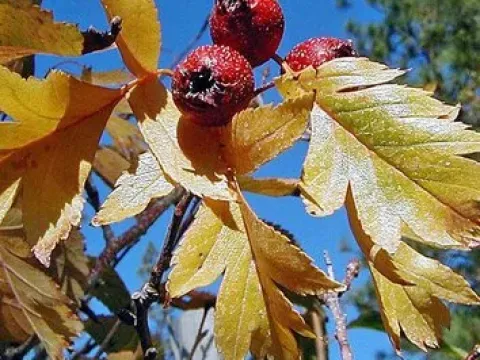
Grignon hawthorn
Crataegus grignonensis
Crataegus grignonensis, commonly known as Grignon hawthorn, is an ornamental shrub belonging to the Rosaceae family. It is a vigorous grower often used as a feature plant in parks and large gardens due to its architectural form.
What the section contains
Grignon hawthorn
This species thrives in full sun but can tolerate partial shade, though bloom density is highest in open environments. It is well-suited to various climates and demonstrates excellent cold hardiness once established.
The ideal growing medium for this hawthorn is a fertile, well-drained loamy soil. While it is adaptable to different pH levels, it performs best in neutral to slightly alkaline conditions where essential nutrients are readily available.
Water requirements are moderate, with consistent moisture needed during the initial establishment phase. Once the root system is deep and mature, it exhibits good drought tolerance during the summer months.
Maintenance involves seasonal pruning to manage the shape and size of the canopy. Regular removal of dead or crossing branches promotes healthy growth and ensures sufficient light penetration to the inner parts of the shrub.
The Grignon hawthorn is susceptible to common Rosaceae diseases, with powdery mildew and rust being the most frequent concerns. Proper site selection to ensure good air circulation is the best preventative strategy.
Aphids and scale insects are the primary pests that may infest the foliage and young shoots. Monitoring for these pests in the spring allows for early intervention with mild horticultural oils or soaps.
In cases of severe infestation, systemic insecticides may be necessary. Always follow the manufacturer’s guidelines to avoid harming beneficial pollinator insects that visit the plant during its flowering period.
Fire blight can occasionally affect hawthorn species under specific environmental conditions. It is crucial to sanitize all pruning tools between cuts to prevent the mechanical transmission of bacteria from diseased to healthy wood.
A balanced fertilization program supports overall plant vigor, which acts as a natural defense against various stressors. Mulching around the base of the plant helps retain soil moisture and suppresses competing weeds.