
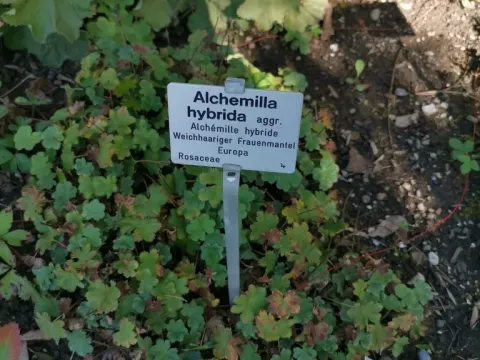
Alchemilla hybrida
Alchemilla hybrida
Alchemilla hybrida is a perennial herbaceous plant belonging to the Rosaceae family, widely recognized for its high adaptability and decorative value in agricultural landscapes.
What the section contains
Alchemilla hybrida
Vegetative propagation via division of established clumps is the preferred method for expanding plantations, ensuring genetically uniform and healthy plant stock.
The optimal time for planting and dividing is in early spring or early autumn, which allows the root systems to establish before extreme temperatures occur.
When planting, maintain a spacing of 30-40 centimeters between individual plants to allow enough room for growth and the formation of a dense, soil-covering canopy.
Propagation from seeds is also an option, requiring a period of cold stratification to overcome dormancy and achieve uniform germination in a controlled environment.
The plant thrives in a wide range of soil types, preferring well-drained, nutrient-rich loams with consistent moisture levels for optimal foliage production.
Alchemilla hybrida is highly resilient to cold and can endure harsh winter conditions without specialized protection, making it suitable for northern cultivation zones.
While the plant tolerates full sun, it performs exceptionally well in partial shade, where its foliage remains lush and protected from summer heat stress.
Regular irrigation is essential during the initial growth phase, as moisture deficiency can hinder the development of the characteristic rosette of leaves.
Basic maintenance includes light soil cultivation to suppress weeds and the application of balanced organic fertilizers in early spring to boost biomass production.
The agricultural value of Alchemilla hybrida lies in its medicinal properties, particularly its high tannin content which is sought after for pharmaceutical applications.
Crop yield is measured by the total amount of harvested green foliage, which is collected during the peak flowering stage to maximize bio-active compound concentration.
It is also valued as a ground-cover crop in permaculture systems, helping to prevent soil erosion and maintaining a moist micro-environment for companion crops.
The plants provide significant biomass that can be harvested multiple times per season if conditions remain favorable and soil nutrients are adequately managed.
In landscape farming, its ability to quickly colonize areas makes it an excellent choice for stabilizing banks and reducing the need for intensive herbicide usage.
Powdery mildew represents the primary threat to the crop, especially in conditions characterized by high humidity and poor air circulation within the plant stand.
Common pests such as aphids and spider mites can occasionally affect the vitality of the plants, particularly during extended dry spells or periods of heat stress.
Effective management includes maintaining proper spacing to ensure adequate airflow, which is a critical preventative measure against fungal infection spread.
Excessive soil moisture or waterlogging can lead to root rot, necessitating the selection of well-drained sites or the installation of subsurface drainage systems.
Integrated pest management strategies, focusing on early detection and biological control, are recommended to maintain healthy crop yields without heavy pesticide reliance.
Harvesting should be conducted during dry weather, ideally after the morning dew has evaporated, to ensure the quality and shelf-life of the raw plant material.
The above-ground parts are cut using specialized tools, leaving enough basal growth to allow the plant to regenerate for future harvesting cycles.
Proper post-harvest handling is critical, requiring immediate cleaning of the raw material to remove dirt, debris, and any discolored or damaged leaves.
Drying must take place in a well-ventilated, shaded environment at controlled temperatures to prevent the loss of essential oils and active therapeutic compounds.
Final storage involves placing the dried foliage in breathable packaging, protecting the product from moisture, light, and contaminants until it is processed for market.