
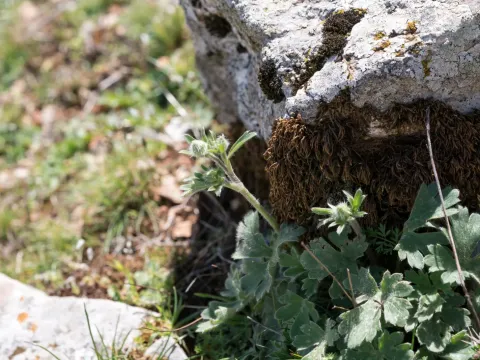
Spruner's Buttercup
Ranunculus sprunerianus
Spruner's Buttercup (Ranunculus sprunerianus) is a distinct species belonging to the Ranunculaceae family. It is a perennial herbaceous plant characterized by tuberous root systems, which allow it to survive periods of dormancy during unfavorable climate conditions.
What the section contains
Spruner's Buttercup
The native range of this species is centered in the Mediterranean region, particularly Greece. It is naturally adapted to environments with mild, wet winters and long, hot, dry summers, which dictates its specific life cycle and annual rhythm.
Success in cultivating this crop requires well-drained, sandy loam soils with a neutral pH level. Proper soil aeration is essential to prevent the suffocation of the root system, which is particularly sensitive to stagnant water during the dormant stage.
Climatic requirements favor a cool and moist spring climate. The plant thrives when temperatures remain moderate, avoiding extreme fluctuations that could prematurely terminate the flowering phase or cause heat stress to the foliage.
Agronomic management should focus on precise moisture control. Irrigation must be phased out gradually as the plant approaches the end of its life cycle, facilitating the transition into natural dormancy, which is vital for the tuber's longevity.
Fungal pathogens represent the most significant threat to the survival of Spruner's Buttercup. Root rot and grey mold (Botrytis) can proliferate rapidly if the drainage parameters are not strictly maintained during the growing season.
Integrated pest management strategies are recommended, starting with the selection of certified disease-free tubers. Fungicidal treatment of planting material prior to burying is an essential step in preventing soil-borne infections.
Aphids and spider mites are the primary pests that affect the aerial parts of the plant. These insects are particularly detrimental during periods of low humidity, as they multiply rapidly and drain the vitality of the plant.
Chemical intervention should be applied judiciously, utilizing selective insecticides that do not harm beneficial pollinators. Monitoring for early signs of infestation is crucial, as localized treatment is significantly more effective than large-scale spraying.
In addition to pests, weed control is essential during the initial growth stages to ensure the plant has sufficient access to nutrients and sunlight. Hand weeding is preferred to minimize mechanical damage to the delicate root structures of the buttercups.