
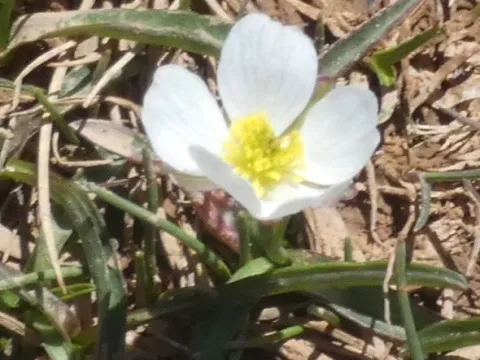
Spiked Buttercup
Ranunculus spicatus
The spiked buttercup (Ranunculus spicatus) is a perennial herbaceous plant belonging to the Ranunculaceae family. Native to the Mediterranean region and parts of North Africa, it thrives in climates characterized by mild winters and warm, dry seasons.
What the section contains
Spiked Buttercup
This species requires well-draining, nutrient-rich soil to prevent root rot, which is the most common cause of crop failure. The ideal soil pH is slightly acidic to neutral, ensuring optimal nutrient availability for robust growth and flower development.
Regarding climatic conditions, the plant is best suited for sunny locations with adequate protection from extreme frost. While it enjoys sunlight, providing shelter during the hottest part of the day can prevent leaf scorch and ensure the longevity of the plant during peak summer months.
Agrotechnical practices should focus on moderate irrigation, avoiding soil saturation. Regular fertilization with a balanced mix during the active growth period supports the development of its distinctive spike-like inflorescences and strengthens the plant against environmental stressors.
The primary utility of this plant lies in ornamental horticulture. Its unique appearance makes it an excellent choice for rock gardens, floral borders, and specialized plant collections where architectural form and color contrast are prioritized for aesthetic impact.
The most significant pathological threats to the spiked buttercup are fungal infections, particularly powdery mildew and various types of root rot. Ensuring proper spacing between plants is crucial to facilitate airflow and reduce the incidence of these diseases.
Pest pressures primarily include aphids and spider mites, which can sap the plant's vitality. Integrated pest management, including the use of targeted insecticides or natural predatory mites, is recommended to manage populations without causing environmental harm.
Root-knot nematodes can also be problematic, especially in infested soils. Pre-planting soil testing and the incorporation of organic matter can improve soil health and resilience against such underground pathogens.
Slugs and snails are notorious for causing damage to succulent foliage. Implementing physical barriers such as copper tape or using iron-phosphate-based baits can effectively protect the plants during their most vulnerable growth stages.
Regular monitoring of plant health is essential to identify early symptoms of disease or pest infestation. Prompt action, including the removal and destruction of severely affected plant parts, remains the cornerstone of effective crop management.