
Spinyfruit buttercup
Ranunculus muricatus
Description
Growing requirements
The spinyfruit buttercup (Ranunculus muricatus) is an annual plant belonging to the Ranunculaceae family. It is recognized as a weed species, primarily found in damp agricultural environments, such as fields, pastures, and disturbed wetland areas.
The species thrives in environments with high moisture levels. It is particularly well-adapted to poorly drained or heavy clay soils where it can compete effectively with native flora and planted crops due to its rapid growth rate.
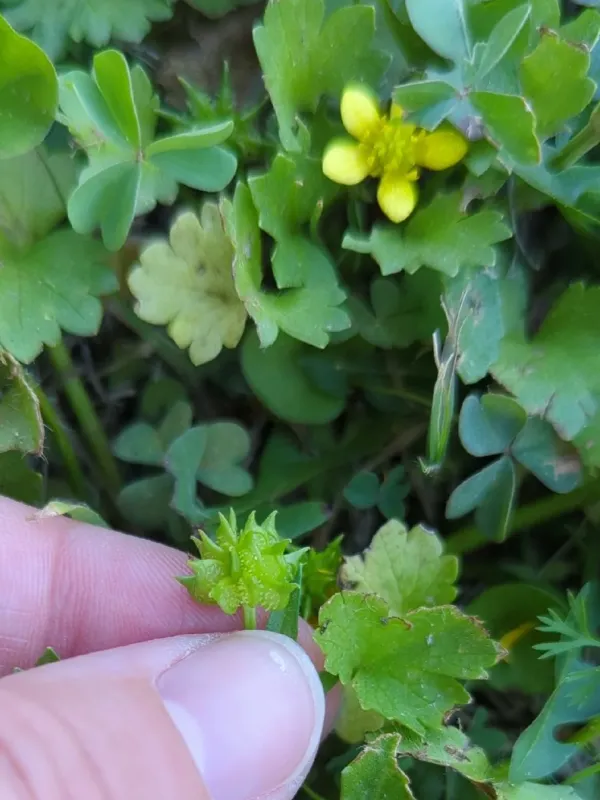
Botanically, it is distinguished by its glabrous stems and unique achenes, which are covered in spines or tubercles. This physical characteristic facilitates seed dispersal through movement by livestock, water runoff, and agricultural machinery operations.
From an agronomic perspective, it is considered a toxic weed. The plant contains protoanemonin, which causes skin irritation in humans and is potentially dangerous if consumed in large quantities by livestock, leading to gastrointestinal issues.
Effective management requires a combination of cultural practices, such as maintaining optimal drainage and performing regular tillage. These methods interrupt the lifecycle of the plant before the seeds fully mature and disperse across the field.
Main diseases and pests
Agricultural threats include direct competition with crops for water, light, and soil nutrients. This rivalry significantly reduces yields, especially in cereal crops that share the same germination window in early spring.
Typical diseases affecting this plant include powdery mildew and rusts, which can spread to commercial crops if the weed population is left unmanaged. Regular monitoring is essential to prevent these outbreaks.
Common pests associated with the genus include various aphids and beetles. These insects can migrate from buttercup plants to healthy crops, potentially causing extensive damage to vegetable or cereal stands.
Chemical control strategies generally involve the application of selective broad-leaf herbicides. It is crucial to apply these treatments during the seedling stage to prevent the plant from establishing a dense canopy.
Integrated Pest Management (IPM) practices recommend crop rotation and the use of competitive cover crops. These methods help suppress the germination of weed seeds by providing ground cover that blocks light, limiting the expansion of the species.