
Stavesacre
Delphinium staphisagria
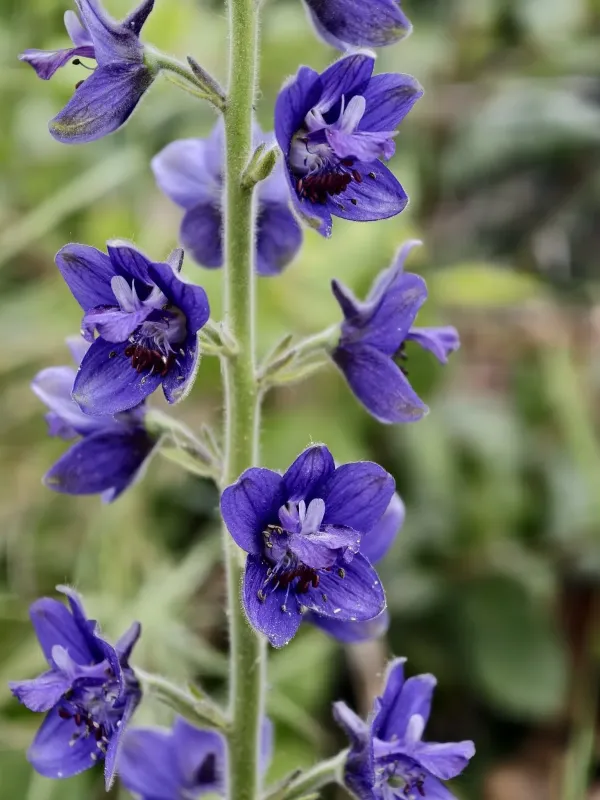
Description
Sowing dates
Stavesacre is an annual or biennial herbaceous plant belonging to the Ranunculaceae family, historically valued for its specific medicinal properties.
Seeds are typically sown in early spring or late autumn, providing sufficient space between rows to accommodate the plant's natural growth habit.
Successful germination requires specific conditions including stratification, which helps simulate natural dormancy cycles for optimal results.
Choosing a site with loose, well-draining soil is essential to ensure that seeds are not buried too deeply and can reach the surface efficiently.
Consistent moisture levels during the germination phase are crucial, as the seeds are sensitive to desiccation in dry or poorly prepared soil.
Growing requirements
The plant thrives in sunny environments, requiring at least six to eight hours of direct sunlight per day to support vigorous vegetative development.
Soil quality must be high, with a preference for well-aerated, loamy soils that prevent water stagnation, which can be detrimental to root health.
Stavesacre is generally adapted to temperate to Mediterranean climates, benefiting from stable temperatures and avoiding excessive humidity.
Adding organic matter such as compost or well-rotted manure to the soil before planting provides the necessary nutrients for sustained growth.
Regular monitoring of soil pH is advised to ensure it remains near neutral, as this optimizes the plant's ability to absorb vital soil minerals.
Main diseases and pests
The primary threats include fungal diseases like powdery mildew, particularly in dense stands with poor airflow and high ambient humidity levels.
Root rot is a major risk factor if the field management plan does not provide adequate drainage or if excessive irrigation practices are utilized.
Insect pests, including aphids and various mites, frequently attack the foliage, necessitating a proactive approach to integrated pest management.
Slugs and snails can cause significant damage to young seedlings, often requiring physical or biological barriers during the early growth stages.
Maintaining a clean field environment by removing weeds helps reduce the incidence of disease vectors and competing pest populations.
Harvesting
Harvesting is typically conducted when the seed capsules mature, turning brown and brittle, signaling the peak of active compound concentration.
Operations should be performed during dry periods to prevent moisture-related degradation during the post-harvest drying and storage process.
Stavesacre contains potent alkaloids, requiring strict safety protocols to ensure that handlers do not suffer from skin irritation or toxic exposure.
Proper drying involves hanging the plants in a well-ventilated, shaded area to retain the integrity of the plant's chemical constituents.
Once dried, the seeds and plant matter must be stored in secure containers, labeled as toxic, and kept away from common areas to ensure safety.