
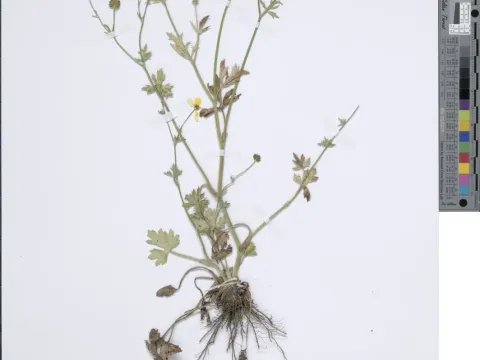
Ranunculus marginatus
Ranunculus marginatus
Ranunculus marginatus is a perennial herbaceous plant belonging to the Ranunculaceae family. It is primarily native to the Mediterranean region, where it occupies specific ecological niches.
What the section contains
Ranunculus marginatus
This species is highly dependent on environmental moisture and is typically found in wetlands, near seasonal water bodies, and on meadows that remain saturated during spring.
The cultivation of this plant requires heavy or clay-rich soils that possess excellent water-retention capabilities to prevent the root system from drying out during the growing season.
Temperature requirements are moderate, with the plant favoring cool to temperate conditions for its peak vegetative development and being sensitive to extreme summer heat.
While not a traditional broad-acre crop, it is studied for its unique botanical traits and is sometimes utilized in niche landscaping to restore natural water-edge habitats.
Like many species in the Ranunculus genus, it contains protoanemonin, a natural compound that serves as a chemical defense against herbivores and mammals, making it generally pest-resistant.
However, the plant is still susceptible to various fungal pathogens, such as powdery mildew, which can colonize the foliage under conditions of high humidity and poor air ventilation.
Soil-borne pathogens represent a significant threat when water drainage is inadequate, leading to the development of root rots that undermine the plant's overall vitality.
Insects that target succulent leaves, such as certain beetles or leaf miners, can cause localized damage, although the plant's natural toxicity limits the impact of generalist feeders.
Effective management includes maintaining proper spacing between plants to enhance air circulation and monitoring moisture levels to avoid the conditions that promote fungal spores.