
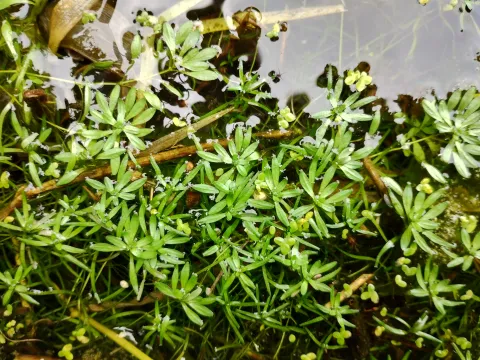
Ranunculus levenensis
Ranunculus levenensis
Planting Ranunculus levenensis in open ground is typically scheduled for the spring period once the soil warms up to +10...+12 degrees Celsius. For earlier flowering, experts recommend using a container planting method followed by transplanting into the open soil later in the season.
What the section contains
Ranunculus levenensis
Preparing the planting material involves mandatory soaking of the tubers in warm water or growth stimulants for several hours. This process helps to break dormancy and accelerates bud sprouting, which is crucial for a successful start of the vegetation cycle.
The planting depth for the tubers ranges from 5 to 8 centimeters depending on the soil texture. Lighter substrates allow for slightly deeper planting, which provides the plant with better stability against windy weather conditions throughout the season.
The planting pattern involves a distance of at least 15-20 centimeters between plants to ensure adequate air circulation. Overcrowding is a common mistake that leads to the rapid spread of fungal infections during the humid spring weather conditions.
In regions with mild winters, autumn planting is possible, but in temperate climates, spring planting remains the standard practice. During winter storage, tubers must be kept in a dry, cool place at a temperature of +5...+7 degrees to avoid premature sprouting.
Ranunculus levenensis belongs to the Ranunculaceae family and is a demanding culture that prefers sunny sites protected from strong winds. The plant is extremely sensitive to light deficiency, which causes the flower stalks to stretch and lose their ornamental value.
Soil requirements include a well-drained, fertile soil with a neutral or slightly acidic pH level. Stagnant water in the root zone is fatal to the plant as it triggers rapid root rot, which is the most frequent cause of crop failure.
The optimal temperature range for active growth is +15...+22 degrees Celsius. When temperatures rise above 25 degrees, the plant tends to enter a dormant state, often requiring shading or supplemental irrigation during hot days to maintain vigor.
Consistent watering is a key factor for success; the soil should remain moderately moist but never waterlogged. During the active flowering phase, the need for moisture increases, though evening watering should be avoided to prevent the development of pathogens.
Fertilization should be carried out using balanced mineral compositions rich in potassium and phosphorus, especially during the budding stage. Nitrogen fertilizers are applied moderately in the early growth stages to support the formation of a robust leaf rosette.
The main threats to the culture are fungal diseases such as powdery mildew and various types of root rot. These pathogens develop actively when agricultural practices are neglected, particularly under conditions of overwatering or poor ventilation of the plot.
Viral diseases, including mosaic virus, manifest through leaf deformation and discoloration of the petals. Since there are no effective treatments for these viruses, infected plants must be removed and destroyed immediately to prevent the spread of the infection.
Among the pests, aphids and spider mites are the most damaging as they feed on the plant sap. They not only weaken the crop but also act as vectors for dangerous viral infections, requiring the timely application of broad-spectrum insecticides.
Nematodes affecting the root system can also become a significant problem, reducing the overall vitality of the crop. Prevention involves strict crop rotation and the use of healthy, certified planting material that has undergone proper sanitary treatment.
To control pests and diseases, regular inspections of the plots and timely application of fungicides and acaricides are recommended. Preventive spraying should be carried out before the start of active flowering to avoid damaging the delicate petals of the inflorescences.