
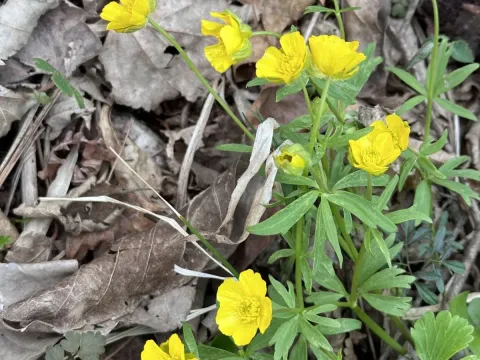
Ranunculus franchetii
Ranunculus franchetii
Ranunculus franchetii is a perennial herbaceous plant belonging to the Ranunculaceae family. Native to the high-altitude regions of Asia, specifically within China, this plant is well-adapted to harsh mountain environments and rocky slopes.
What the section contains
Ranunculus franchetii
The botanical structure of the plant features a basal rosette of deeply dissected leaves and a sturdy root system designed to anchor the plant in loose, stony soils. It remains a low-growing species, making it an excellent candidate for alpine landscaping and specialized garden collections.
Climate requirements emphasize the need for cool temperatures and high atmospheric humidity. In lower-altitude gardens, it is essential to provide partial shade to protect the foliage from intense heat, which can stress the plant and reduce its natural vitality during the peak of summer.
Soil management is critical for the success of this species. The growing medium must be highly permeable, incorporating plenty of grit or sand to ensure rapid drainage. Any stagnation of moisture around the root zone is likely to cause rapid decay, particularly in dormant seasons.
The primary horticultural use of this species is ornamental. It is highly valued by enthusiasts of rock gardens and alpine flora, as it offers unique textures and a sophisticated appearance that mimics the wild, undisturbed landscapes of its native mountainous habitats.
The most significant threats to the cultivation of Ranunculus franchetii involve soil-borne fungal pathogens. Overwatering or poor drainage often triggers root rot, which is frequently fatal to the plant if not addressed with improved soil aeration and fungicide treatment.
Common pests such as aphids and spider mites can infest the foliage, particularly when the plant is grown in containers or areas with restricted airflow. Vigilance and early intervention using mild insecticidal soap or biological control methods are recommended to maintain plant health.