
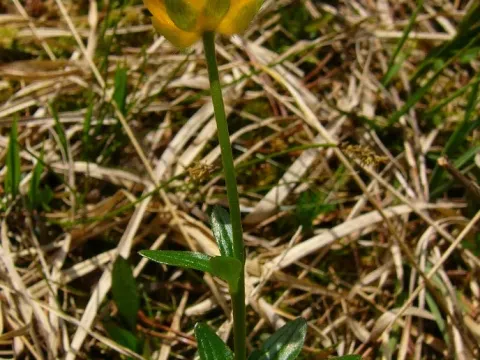
Ranunculus clethraphilus
Ranunculus clethraphilus
Sowing Ranunculus clethraphilus seeds should take place in late winter under controlled greenhouse conditions. Seeds require a period of cold stratification to break dormancy and ensure high germination rates.
What the section contains
Ranunculus clethraphilus
For outdoor sowing, wait until soil temperatures consistently reach 12–15 degrees Celsius. Seeds should be planted at a shallow depth of approximately 0.5 centimeters to prevent them from drying out before they emerge.
Maintain row spacing of about 30 centimeters to facilitate good airflow around the young plants. Proper ventilation is essential for preventing early fungal infections during the sensitive seedling stage.
Applying agricultural fleece or row covers can help maintain the necessary moisture levels in the topsoil. This ensures that the small seeds do not dry out, which is the most common cause of failure in initial sowing.
Thinning should be performed after the appearance of the second set of true leaves. Spacing plants 15 centimeters apart allows for adequate root development and reduces competition for nutrients.
Ranunculus clethraphilus, a member of the Ranunculaceae family, thrives in fertile, well-draining soils rich in organic matter. Loamy soils with a slightly acidic to neutral pH are ideal for its development.
While the plant prefers sunny spots, it needs light shade during the hottest parts of the day, particularly in warmer climates. Excessive direct sun without enough moisture causes foliage to wilt rapidly.
Optimal growth occurs at temperatures between 15 and 22 degrees Celsius. Extreme fluctuations and late frosts can severely damage the plant, so choosing a sheltered location is highly recommended.
Regular irrigation is vital, though waterlogging must be avoided at all costs. Overwatering leads to root rot, which is a common physiological problem in this species of Ranunculus.
During the budding phase, supplementary feeding with phosphorus and potassium-rich fertilizers is beneficial. This practice improves flower size and longevity, enhancing the overall ornamental quality of the crop.
The yield of Ranunculus clethraphilus is measured by the number of high-quality cut flowers produced per square meter. With proper management, growers can expect 40–60 stems per square meter during the season.
Maximizing yield requires consistent monitoring of plant health and soil nutrient levels. The plant reaches its peak production in the second year, provided that the root system is well-established and healthy.
Soil structure significantly impacts productivity; light, aerated soils encourage faster root expansion and earlier flowering. Amending soil with compost prior to planting is a standard practice for increasing yield.
Implementing drip irrigation systems helps maintain stable moisture, preventing the stress that often leads to reduced bud formation. Efficient water delivery is the key to maintaining consistent production throughout the season.
Regular deadheading of spent flowers redirects the plant's energy toward creating new blooms. This simple maintenance task effectively extends the harvest window and improves the visual appeal of the planting site.
Powdery mildew is a primary threat to Ranunculus clethraphilus, especially in humid conditions with poor circulation. Keeping the foliage dry and maintaining spacing are effective preventative measures.
Spider mites are common pests that thrive in hot, dry environments. Regular inspection of the underside of leaves and timely application of bio-insecticides are essential for controlling populations.
Root rots are frequently caused by poor soil drainage and excessive watering. Once a plant is infected, it must be removed to prevent the spread of pathogens to the rest of the crop.
Nematodes can cause significant damage to the root system, resulting in stunted growth and deformed flowers. Soil disinfection before planting is highly recommended for commercial cultivation.
A proactive protection strategy includes the use of systemic fungicides and maintaining plant vigor through balanced nutrition. Strong, healthy plants are significantly more resistant to both pests and fungal diseases.