
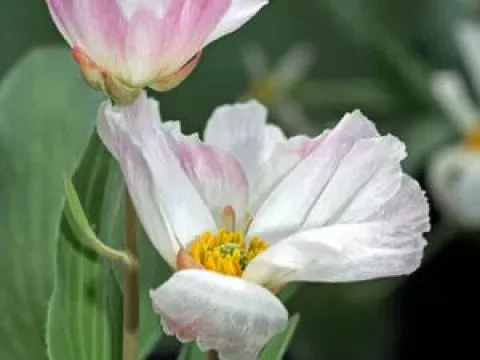
Ranunculus calandrinioides
Ranunculus calandrinioides
Ranunculus calandrinioides, a member of the Ranunculaceae family, is a distinct tuberous perennial. Propagation from seed requires a cold stratification period to break dormancy and ensure consistent germination rates.
What the section contains
Ranunculus calandrinioides
Seeds should be sown in a gritty, well-draining substrate to mimic the alpine environment of the Atlas Mountains. The seeds need light to germinate, so they should be barely covered with a thin layer of fine grit or coarse sand.
In terms of agricultural timing, planting is typically initiated in late winter or early spring. This allows the plant to establish its root system before the onset of the heat that triggers its summer dormancy.
For successful cultivation in controlled environments, temperatures should be kept cool, ideally between 5 and 12 degrees Celsius. High temperatures during the germination phase will inhibit sprout development and may cause embryo damage.
Vegetative propagation via tuber division is also common among enthusiasts. This procedure is performed during the dormant phase when the foliage has withered and the energy is stored in the rootstock.
The primary requirement for this species is exceptional drainage. In nature, it grows on rocky screes, so the cultivation medium must be composed of a mix that prevents any standing water near the tubers.
The plant thrives in full sun but requires protection from intense midday heat, especially in lowland climates. A location with good air circulation is essential to prevent the accumulation of moisture around the neck of the plant.
Watering must be carefully regulated. While active growth requires moderate moisture, the soil must be allowed to dry out significantly between waterings to prevent root rotting. During summer dormancy, the substrate should be kept almost completely dry.
Nutrient requirements are modest. Over-fertilization with nitrogen-heavy products will result in lush, weak foliage and may lead to a total failure of flower initiation, which is the main decorative goal for this plant.
The substrate should be low in organic matter and slightly alkaline or neutral, providing a stable foundation for the tubers to endure the seasonal shifts from wet springs to dry, hot summers.
Fungal pathogens are the most significant threat to the survival of Ranunculus calandrinioides. Root and tuber rots are almost exclusively caused by excessive moisture and poor soil aeration, which facilitate the growth of oomycetes.
In humid or stagnant air conditions, grey mould (Botrytis) can affect the foliage and stems. Applying preventive fungicide sprays and ensuring proper spacing between plants are effective management strategies for hobbyists.
Sap-sucking insects such as aphids and spider mites are common pests that thrive during the warm, dry phases of the plant's growth. Regular monitoring of the foliage is recommended to apply control measures before infestations become severe.
Gastropods, including slugs and snails, find the tender spring growth highly palatable. Using mechanical barriers or iron phosphate-based baits is necessary in open-garden settings to prevent complete loss of seedlings.
Viral infections can cause plant stunting and mottled leaves. Since there is no cure, plants exhibiting symptoms of systemic viral disease should be promptly removed from the collection to protect neighboring specimens.