
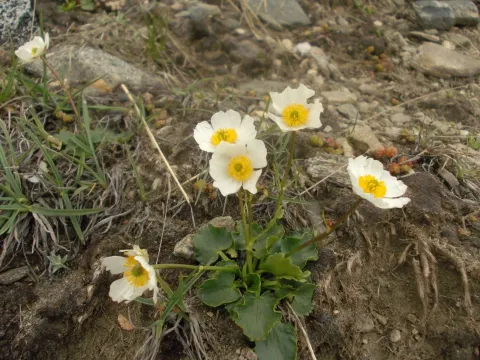
Ranunculus crenatus
Ranunculus crenatus
Ranunculus crenatus is an elegant alpine perennial belonging to the Ranunculaceae family. It is prized by collectors of mountain flora for its delicate white flowers and characteristic leaf shape, which makes it a unique addition to alpine gardens.
What the section contains
Ranunculus crenatus
Propagation is most successfully achieved through seeds, which require a period of cold stratification. Sowing is typically performed in late autumn, allowing the seeds to experience winter temperatures necessary for germination.
For optimal results, seeds should be sown in a well-draining, mineral-rich substrate. They should be covered only lightly, as they require sufficient oxygen and minimal resistance to break through the surface upon germination.
Vegetative propagation via root division is another viable method for established, healthy specimens. This process should be carefully conducted during the dormant season or early spring to minimize transplant shock.
When transplanting young seedlings into the rock garden, it is crucial to ensure they have sufficient space to develop their root systems without competition from more vigorous neighboring plants.
The cultural requirements of Ranunculus crenatus reflect its natural habitat in high-altitude limestone regions. It prefers bright, sunny locations, provided it is protected from the intense heat of midday sun.
Soil quality is paramount; the plant demands a neutral to slightly alkaline substrate with excellent drainage properties. Heavy or clay-based soils that retain too much water are unsuitable for this species.
Watering must be managed with care to maintain constant moisture levels without creating waterlogged conditions. Utilizing a gravel or scree mulch around the base of the plant is recommended to keep the foliage dry.
The climate requirement is for a cool to temperate environment. Extreme temperature fluctuations, particularly in the summer, can stress the plant, making proper site selection in the garden essential for its longevity.
Providing a top dressing of grit or small stones helps stabilize the root zone and prevents the crown from coming into contact with excess moisture, which is the most common cause of failure in cultivation.
Fungal diseases, especially root and crown rot, are the primary threats to this plant. These pathogens thrive in conditions where moisture is excessive and air circulation is insufficient, necessitating careful management.
Pests such as aphids and spider mites can infest the foliage, particularly during dry, warm spells. Regular monitoring and the application of mild horticultural soaps are recommended for early control.
Gastropods, including slugs and snails, are particularly attracted to the fresh, succulent growth of young buttercups. Implementing barrier methods or baiting around the perimeter is effective in preventing severe damage.
Maintaining a hygienic growing environment by removing dead or decaying leaves is crucial for preventing the onset of mold and other pathogens that could weaken the plant's immune system.
If viral symptoms appear, such as leaf distortion or discoloration, immediate removal of the affected individual is necessary to protect the remainder of the collection from spreading the infection.