
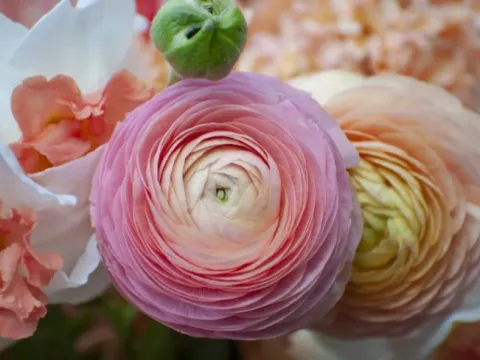
Ranunculus hybrids
Ranunculus hybrids
The planting time for Ranunculus hybrids is determined by the specific climate zone and production objectives. In open-field conditions with a temperate climate, planting is typically done in the spring once the soil temperature is consistently above 10 degrees Celsius.
What the section contains
Ranunculus hybrids
For greenhouse cultivation, autumn planting is often preferred in regions with mild winters, allowing for high-quality flower production in late winter or early spring. Frost protection is critical as the plants are highly sensitive to freezing temperatures.
Prior to planting, it is recommended to soak the corms in a fungicide or growth-promoting solution for several hours. This practice facilitates faster emergence and protects the dormant corms from soil-borne pathogens.
The tubers should be planted at a depth of 5 to 7 centimeters with the root appendages facing downward. Consistent planting density, typically 25-30 plants per square meter, is essential to ensure adequate airflow and reduce humidity around the base of the plant.
Successive plantings can be managed to ensure a steady supply of cut flowers throughout the season, although extreme summer heat should be avoided as it triggers premature dormancy.
Ranunculus hybrids belong to the Ranunculaceae family and thrive in fertile, well-draining soils with a neutral to slightly acidic pH. Waterlogging is extremely detrimental and will quickly lead to root rot and total plant failure.
The ideal temperature range for active growth is between 15 and 22 degrees Celsius. Temperatures exceeding 25 degrees will cause the plants to slow their growth and initiate dormancy, significantly impacting flower quality.
Bright, indirect light is required for optimal development. In regions with intense sunlight, light shading is recommended to prevent leaf scorch and ensure the longevity of the blooms.
Irrigation should be regular but cautious. The goal is to keep the soil consistently moist but never waterlogged. Monitoring humidity levels is also important to prevent the onset of fungal diseases on the foliage.
Balanced fertilization with an emphasis on potassium and phosphorus is recommended during the vegetative stage. High nitrogen levels should be avoided to prevent excessive vegetative growth at the expense of floral development.
Yield in Ranunculus production is measured by the number of marketable stems produced per unit of area. In well-managed greenhouses, growers can achieve 60-80 high-quality stems per square meter per production cycle.
The grade and size of the corms are primary determinants of yield; larger corms generally produce a higher number of stems per plant. Proper nutrition during the growth phase directly influences the size and density of the flowers.
The floral development cycle usually spans 8 to 12 weeks after sprouting. Using high-quality commercial hybrids ensures consistency in timing and flower morphology, which is essential for marketability.
Deadheading or removing spent flowers is recommended if seed production is not the objective, as it redirects the plant's energy toward the development of remaining buds and improves overall crop appearance.
The total yield is heavily dependent on maintaining stable environmental conditions throughout the growth period and minimizing stress factors such as rapid temperature fluctuations or soil moisture instability.
Root rot caused by pathogens such as Fusarium, Pythium, and Rhizoctonia remains the primary threat to this crop. Soil sterilization and the use of fungicide-treated corms are the most effective preventive measures.
Powdery mildew can become an issue when humidity is high and ventilation is poor. Integrated pest management, including the use of systemic fungicides, is necessary to control the spread within a greenhouse setting.
Pests such as spider mites and aphids are common challenges. They feed on the sap and can lead to stunted growth and leaf deformation. Regular scouting and early intervention are crucial for maintaining plant health.
Nematodes are another concern, particularly in fields with previous infestations. Using sterile growing media or treated soil significantly reduces the risk of root damage caused by these microscopic pests.
Viral infections, characterized by mosaic patterns on the leaves, cannot be treated. Infected plants must be rogued immediately to prevent the transmission of the virus to healthy stock via insect vectors.
The harvesting of cut flowers is performed when the bud is fully colored but not yet fully open. This stage ensures that the flowers will continue to bloom while in the vase, maximizing their shelf life.
Harvesting should be done with sharp, sterilized tools during the cooler parts of the day, such as early morning or late evening, to maintain the turgor pressure of the stems.
After the harvest, stems should be placed immediately into clean water mixed with commercial floral preservatives to prevent bacterial growth and promote hydration.
Once the flowering cycle concludes, the foliage will yellow, indicating that the corms are entering dormancy. Tubers should be carefully unearthed and allowed to dry in a well-ventilated area before being stored.
Store corms in a cool, dry, and dark environment, preferably in peat or sand at temperatures between 5 and 7 degrees Celsius, to prepare them for the next planting season.