
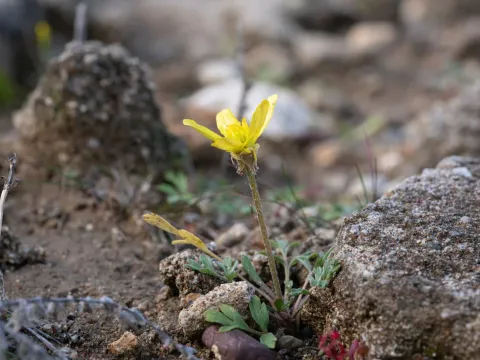
Ranunculus isthmicus
Ranunculus isthmicus
Ranunculus isthmicus is a botanical species belonging to the Ranunculaceae family. It is recognized for its specific ecological niche and unique physiological adaptations that allow it to survive in challenging environments.
What the section contains
Ranunculus isthmicus
For cultivation purposes, this plant requires well-drained, porous soil types. It is particularly sensitive to waterlogging, which often leads to root rot and failure of the crop. Proper soil aeration is essential for optimal growth.
The climate requirements include moderate temperatures and sufficient light exposure. Exposure to direct sunlight is generally beneficial during the early growth stages, helping to establish a strong root system before the flowering period.
Soil nutrient status plays a vital role in biomass accumulation. The species thrives in soils with moderate organic matter content, provided that the pH levels are maintained within the optimal range for the species.
Morphologically, the plant displays distinctive deeply lobed leaves and a characteristic yellow bloom. These traits are indicative of its evolutionary history and adaptation to open field and meadow ecosystems.
Common plant diseases affecting this species include powdery mildew and other fungal pathogens. These are primarily driven by high humidity and poor air circulation within the plant canopy.
Insect pests, such as aphids and leaf-eating beetles, are significant threats to the crop. These pests can severely weaken the plant, especially if the infestation occurs during the critical vegetative phase.
Weed competition represents a major threat in both wild and cultivated populations. Fast-growing invasive species can outcompete Ranunculus isthmicus for resources such as nitrogen and sunlight.
Root system pathogens present a persistent challenge, especially in heavy soils where water retention is high. Implementing effective crop rotation and soil management practices is crucial for mitigation.
Monitoring for signs of stress and pest presence should be carried out frequently. By managing the microclimate and ensuring proper density, growers can significantly reduce the impact of these common biological threats.