
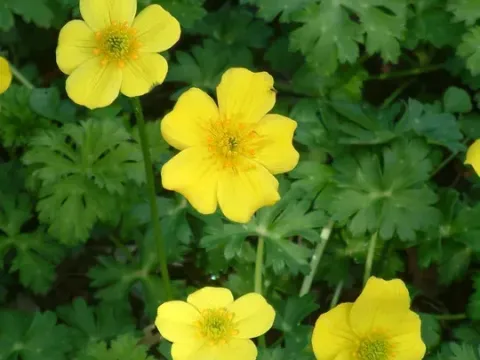
Dwarf globeflower
Trollius pumilus
The dwarf globeflower (Trollius pumilus) is a member of the Ranunculaceae family. Propagation is primarily achieved through seed sowing, ideally performed in late autumn to allow for natural cold stratification.
What the section contains
Dwarf globeflower
Seeds are known to be recalcitrant and often require a period of cold treatment to break dormancy and ensure uniform germination in the following spring.
When sowing in containers, use a mixture of peat and sand to ensure adequate drainage while maintaining the constant moisture required by the delicate seedlings.
Light coverage with fine vermiculite or soil is recommended, as the seeds benefit from a stable microclimate until the first true leaves emerge.
Vegetative propagation via root division is an alternative method, preferably carried out during the dormant season, which allows for rapid establishment of healthy clumps.
Trollius pumilus thrives in environments that mimic its native alpine and sub-alpine habitats, preferring cool summers and consistent soil moisture.
The plant requires deep, fertile, and humus-rich soils that retain moisture but provide enough drainage to prevent stagnant water around the root collar.
Partial shade is ideal for this species, especially in warmer climates where intense afternoon sunlight can scorch the foliage and dry out the root system.
Regular irrigation is critical during the active growth phase, particularly if there is a deficit in rainfall, to ensure the plant reaches its full ornamental potential.
Mulching the surrounding soil with leaf mold or organic matter helps maintain ground temperature and prevents the evaporation of essential soil moisture.
The plant is relatively resistant to pests, but poor air circulation in damp, overcrowded garden settings can promote the development of powdery mildew.
Root rot is the most common physiological disorder caused by overwatering or soil conditions that lack proper aeration in the root zone.
Leaf-eating insects, including various types of caterpillars and beetles, may occasionally cause cosmetic damage, requiring manual removal or biological treatments.
In certain regions, slugs and snails can be problematic for young, emerging growth, necessitating the use of perimeter barriers to protect the plants.
Monitoring for signs of leaf spots is advised throughout the growing season, with prompt removal and destruction of affected tissues to prevent the spread of pathogens.