
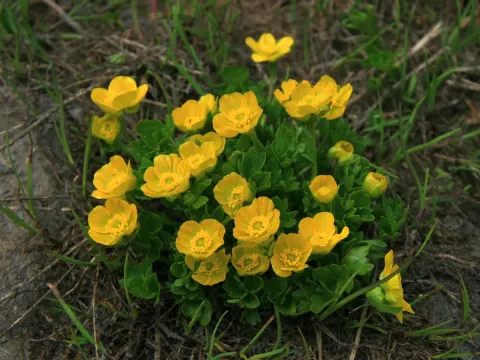
Ranunculus brachylobus
Ranunculus brachylobus
Ranunculus brachylobus is a perennial herbaceous plant belonging to the Ranunculaceae family. It is naturally distributed across mountainous regions and high-altitude grasslands, where it has evolved to thrive in specific climatic niches.
What the section contains
Ranunculus brachylobus
The plant exhibits unique morphological features, such as specialized foliage and a root system adapted to stabilize the soil in high-altitude environments, which are often subject to erosion.
Optimal growth requires well-drained, nutrient-rich soils with a slightly acidic to neutral pH level. It shows poor tolerance for waterlogged soils, which can lead to rapid root degradation.
This species is highly climate-resilient, showing significant adaptation to rapid temperature changes and cool growing seasons, which is crucial for its survival in alpine conditions.
In terms of agricultural utility, it is primarily recognized as a natural component of mountain forage landscapes, contributing to the biodiversity and overall biomass of high-altitude pastures.
Fungal diseases, including powdery mildew and various leaf spot pathogens, are the primary threats to Ranunculus brachylobus, especially in conditions of high humidity or poor ventilation.
Insect pests, particularly leaf-chewing beetles and certain species of butterfly larvae, can cause significant damage to the plant's foliage during the active growing season.
Root-feeding nematodes present a significant, albeit often overlooked, threat that can undermine the plant's long-term vitality by inhibiting its ability to absorb nutrients effectively.
Effective management involves maintaining healthy grazing rotations to ensure the soil remains aerated and to minimize the buildup of persistent pathogenic populations in the field.
Growers and land managers must be aware of the plant's chemical composition, as many species in the genus contain compounds that can be toxic to livestock if consumed in large quantities.