
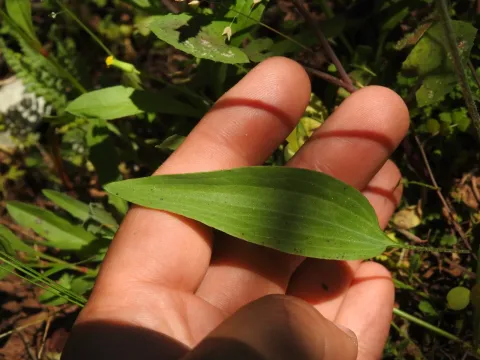
Ranunculus bupleuroides
Ranunculus bupleuroides
Ranunculus bupleuroides is a perennial herbaceous plant belonging to the Ranunculaceae family. It is distinguished by its specific foliage, which exhibits a strong resemblance to the leaves of the Bupleurum genus, hence the botanical name.
What the section contains
Ranunculus bupleuroides
Originating from the mountainous regions of Southern Europe, this species is well-adapted to cooler temperate climates. It typically occupies moisture-rich meadows and alpine grassland ecosystems in its natural habitat.
To ensure successful cultivation, agriculturalists must provide well-drained, fertile soils rich in organic matter. While the species requires consistent moisture, avoiding waterlogged conditions is critical to preventing the deterioration of the root system.
The crop thrives in locations with high light intensity. However, in regions with intense summer heat, light afternoon shade is recommended to protect the plant from excessive transpiration and thermal stress.
Soil preparation involves achieving a near-neutral pH balance and ensuring excellent aeration. Proper site selection is the primary factor in long-term plant health, as Ranunculus bupleuroides does not respond well to frequent transplanting.
The primary threats to Ranunculus bupleuroides include fungal infections such as powdery mildew and root rot, which are often exacerbated by poor air circulation and excessive humidity.
Insect pests such as aphids and leaf miners are common during the active growth phase, potentially damaging the aesthetic quality and the physiological vigor of the plants.
Management of these threats involves a combination of cultural practices, such as maintaining optimal plant spacing, and the application of targeted biological control agents when necessary.
It is crucial to remove any infected plant debris promptly, as these can serve as reservoirs for fungal spores and overwintering sites for harmful insect populations.
Effective scouting and early detection programs are essential for commercial cultivation to maintain high yields and ensure the structural integrity of the plant crop throughout the season.