
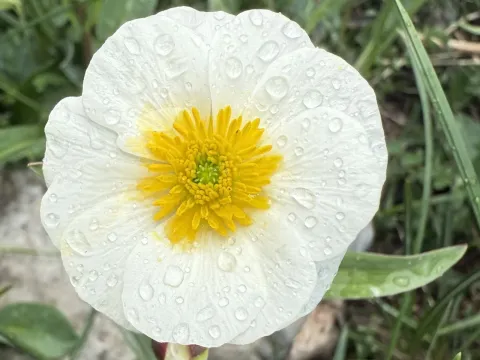
Ranunculus amplexicaulis
Ranunculus amplexicaulis
Ranunculus amplexicaulis is a perennial flowering plant belonging to the Ranunculaceae family. Propagation is primarily achieved through seeds, which require a period of cold stratification to break dormancy and ensure uniform germination.
What the section contains
Ranunculus amplexicaulis
Seeds should be sown in autumn or early spring in a well-draining seed-starting mix. Cover the seeds lightly, as they need a bit of light to germinate effectively, and keep the soil consistently moist but not waterlogged.
Vegetative propagation via division is another effective method. The rhizomes should be divided in late summer or early autumn while the plant is in a state of relative dormancy to encourage new growth the following season.
Seedlings prefer cool growing conditions and should be kept at temperatures between +15°C and +18°C. Once the plants reach a size with several true leaves, they can be hardened off and transplanted into their permanent garden location.
Space the plants approximately 20–25 cm apart to allow for proper air circulation. Careful handling of the root system during transplanting is crucial to prevent shock and ensure successful establishment in the new soil.
This species thrives in sunny to partially shaded garden environments. In regions with intense summer heat, light afternoon shade is recommended to protect the foliage and prolong the blooming period.
Well-drained, fertile soil with a neutral to slightly alkaline pH is ideal for the cultivation of Ranunculus amplexicaulis. Improving heavy clay soils with organic compost and grit significantly enhances the drainage necessary for plant health.
Consistent moisture is essential during the active growing season, especially during the spring flowering phase. However, care must be taken to prevent standing water, which can easily damage the sensitive root structures.
Regular fertilization with a balanced, slow-release fertilizer during the onset of the growing season supports healthy development. Supplemental feeding is rarely needed once the plant is established unless the soil is particularly nutrient-poor.
Winter care involves providing a layer of protective mulch, especially in colder climates. This helps to insulate the rhizomes from rapid temperature fluctuations and prevents soil heaving caused by freeze-thaw cycles.
Common pests affecting this crop include aphids, spider mites, and slugs. Regular monitoring is necessary, particularly during wet spells, to catch infestations early before they cause significant damage to the plant's health.
Fungal diseases such as powdery mildew and botrytis (gray mold) represent the most significant threats to Ranunculus amplexicaulis. These pathogens often thrive in stagnant, humid conditions where air circulation is restricted.
Root rot is typically associated with poor drainage or overwatering. Maintaining a proper watering regimen and ensuring the soil structure allows for rapid drainage are the most effective ways to prevent this problem.
Sanitation practices, such as removing dead or dying foliage throughout the season, help to reduce the presence of fungal spores. Ensuring adequate spacing between plants significantly improves airflow and reduces the risk of infection.
When chemical interventions are required, fungicides and insecticides specifically labeled for ornamental perennials should be used according to the manufacturer's directions. Integrated pest management strategies are always preferred for long-term plant health.