
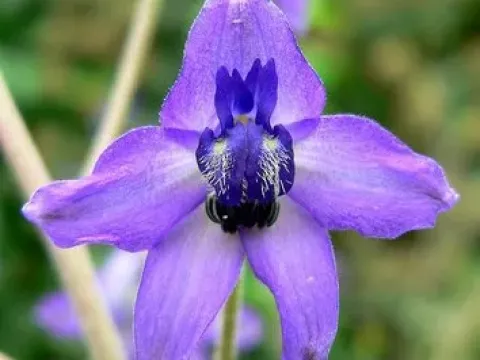
Delphinium requienii
Delphinium requienii
Delphinium requienii is a biennial herbaceous plant belonging to the Ranunculaceae family, noted for its unique botanical structure and aesthetic appeal in temperate gardens.
What the section contains
Delphinium requienii
Seeds should be sown in late summer or autumn to benefit from natural cooling periods, which significantly improve the overall germination rate of the species.
If spring sowing is preferred, it is essential to stratify the seeds in a moist medium within a refrigerator for several weeks prior to planting in the greenhouse.
The substrate for sowing must be well-drained and light to allow for efficient root development and to prevent early stage dampening-off caused by stagnant moisture.
Once seedlings have developed their true leaves, they should be transplanted with sufficient spacing to ensure they have enough room for the development of their fibrous root systems.
This species thrives in sunny locations with protection from strong winds, as the tall flowering stalks are susceptible to snapping under excessive mechanical stress.
Soils should be rich in organic matter, slightly alkaline, and possess excellent drainage properties to maintain the vigor and health of the plant throughout the growth cycle.
Consistent moisture is required, but it is vital to apply water directly to the base of the plant to keep the foliage dry and reduce the likelihood of fungal infections.
A balanced fertilization regimen is recommended, focusing on higher levels of phosphorus and potassium during the pre-flowering stage to encourage stronger and more vibrant blooms.
Periodic mulching helps maintain soil temperature and moisture levels, protecting the roots from the fluctuations of extreme heat during the peak of summer.
Powdery mildew represents a primary threat to Delphinium requienii, particularly when air circulation is poor, necessitating regular inspection and preventive care.
Insect pests, such as aphids and leaf miners, frequently attack the foliage, which can weaken the plant and hinder its natural growth patterns if left untreated.
Crown rot is another significant concern, which often arises due to improper watering techniques or planting the species in soil with poor drainage characteristics.
Management of these threats involves a combination of cultural practices, such as removing affected plant parts, and the use of targeted systemic pesticides or organic remedies.
Creating an environment with optimal airflow and strictly following maintenance schedules are the most effective strategies for preventing common pests and diseases.