
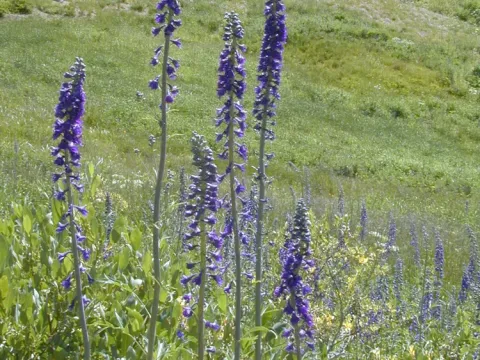
Delphinium glaucum
Delphinium glaucum
Sowing seeds of Delphinium glaucum is typically done in the autumn for outdoor planting. The seeds require a period of cold stratification to break dormancy, making fall sowing an ideal method to replicate natural environmental conditions.
What the section contains
Delphinium glaucum
For spring sowing, seeds must undergo artificial stratification in a refrigerator for at least two to three months. Placing them in a moist medium at a temperature near 4 degrees Celsius mimics winter, ensuring a higher germination rate.
Indoor propagation is carried out using light seed-starting mix in containers. Seeds should be lightly covered with soil and kept in a cool, well-ventilated area until emergence, ensuring they do not dry out during the initial sprouting phase.
Transplanting seedlings into the garden should be done carefully once the risk of severe frost has passed. Because Delphinium glaucum has sensitive roots, minimizing disturbance during the transfer is key to successful establishment.
Proper spacing is essential for plant health. Providing at least 50-60 centimeters between individuals allows for adequate airflow, which significantly reduces the risk of fungal infections later in the growing season.
Delphinium glaucum, commonly known as the glaucous larkspur, is a herbaceous perennial belonging to the Ranunculaceae family. It is native to the western regions of North America, where it thrives in moist alpine meadows and near stream banks.
The plant demands fertile, well-draining soil rich in organic matter. While it prefers neutral to slightly alkaline pH levels, the most critical factor is consistent moisture without waterlogging, which can easily lead to root decay.
Sunlight requirements include full sun to partial shade. In warmer climates, the plant benefits from protection during the hottest hours of the day to prevent leaf scorch and ensure the longevity of the flower spikes.
Fertilization schedules should focus on balanced nutrients applied in early spring as growth resumes. Supplemental phosphorus during the bud development stage helps promote larger, more vibrant flower clusters, which are a hallmark of this species.
Staking is a vital requirement due to the height of the flower stalks, which can exceed 150 centimeters. Protecting the plants from high winds is necessary to prevent stem breakage during the intense blooming period.
A major consideration for Delphinium glaucum is its inherent toxicity. It contains complex diterpenoid alkaloids that are poisonous to both humans and livestock, necessitating careful placement away from foraging areas.
Powdery mildew is the most common disease affecting this species. It manifests as a white, dusty fungal growth on the foliage, often encouraged by high humidity and poor air circulation around the base of the plant.
Insect pests such as the delphinium leaf miner and various aphids can cause significant damage to the plant's aesthetic and vitality. Regular monitoring and targeted insecticide application are recommended to manage these threats.
Slugs and snails pose a particular risk to young, tender growth in the spring. Implementing mechanical barriers like crushed eggshells or using organic baits can protect the emerging shoots from being consumed.
Root rot is a persistent threat if the drainage is insufficient. If a plant shows signs of wilting despite adequate moisture, it is crucial to inspect the roots and improve drainage immediately to prevent the spread of the infection.