
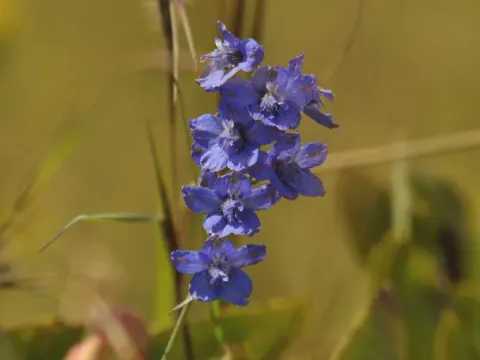
Delphinium dasycaulon
Delphinium dasycaulon
Delphinium dasycaulon is a herbaceous perennial plant belonging to the Ranunculaceae family. It is distinguished by its unique, rough-textured stems covered in fine pubescence, which serves as a key identifying characteristic of this species.
What the section contains
Delphinium dasycaulon
This crop thrives in sunny, well-ventilated locations with deep, fertile soil. It requires a neutral to slightly acidic pH and excellent drainage to ensure the health of its robust root system, which is sensitive to stagnant water.
Climatic requirements involve moderate temperatures and sufficient moisture during the growing season. While hardy, it performs best in regions where it is protected from severe frosts and strong winds that could damage its tall flowering stalks.
Standard cultivation practices include consistent watering during the peak of summer and mulching to conserve moisture in the soil. Support structures are often necessary due to the height of the flower spikes.
The plant is primarily utilized for its high ornamental value in gardens and public landscapes. Its striking appearance makes it ideal for back-of-border planting, where it adds height and structure to floral displays.
The plant is susceptible to powdery mildew, especially in humid and poorly ventilated conditions. Regular monitoring of the foliage is essential to detect the white, fungal coating before it spreads to the entire plant.
Bacterial leaf spot is another concern that can cause premature leaf drop and weakening of the plant's structural integrity. Sanitation, including removing infected plant debris, is vital for long-term disease management.
Delphinium-specific pests such as the larkspur fly can cause significant damage to the developing flower buds. Systemic insecticides are often employed to manage these populations during the spring development phase.
Aphids and slugs are also common pests that target the foliage and new shoots. Effective control strategies involve both manual removal and the application of pest-deterrent substances around the base of the plant.
Maintaining optimal spacing between individual plants is the most effective cultural method to reduce the humidity around the leaves, thereby significantly decreasing the risk of fungal and bacterial infections.