
Delphinium dubium
Delphinium dubium
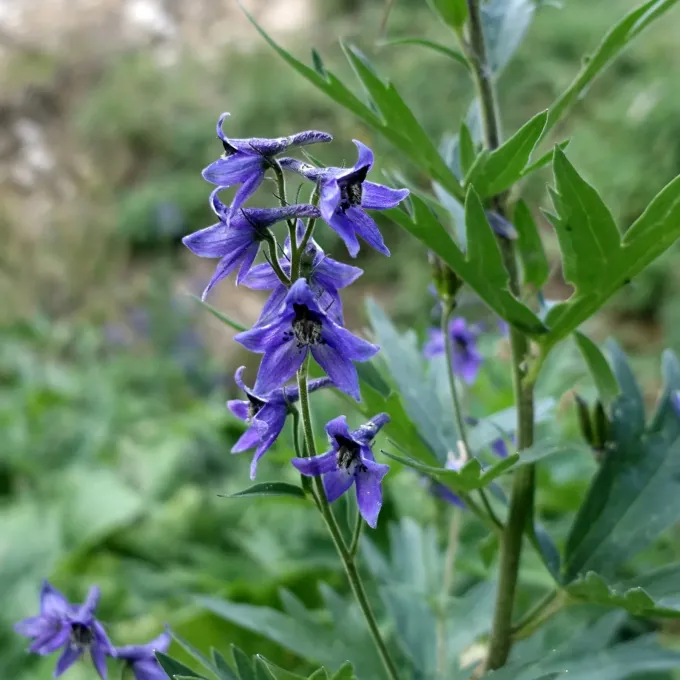
Description
Sowing dates
Sowing seeds of Delphinium dubium is most effectively performed in the autumn, as the seeds require a period of cold stratification to break dormancy and ensure high germination rates.
In cases of spring sowing, it is essential to simulate winter conditions by storing seeds in a refrigerator, as seeds sown without cold treatment often remain dormant.
Seeds should be covered with a thin layer of fine soil or vermiculite, no deeper than 0.5 centimeters, to allow adequate light exposure which benefits germination.
When starting indoors, use a well-draining seed-starting mix and maintain cool temperatures to encourage robust root development before transplanting into the garden.
Space the seedlings at least 30 to 40 centimeters apart to allow for proper airflow as the plant matures, which is crucial for preventing common moisture-related issues.
Growing requirements
Delphinium dubium is a member of the Ranunculaceae family, characterized by its striking spikes of flowers that thrive in well-lit, sunny positions in the landscape.
The plant requires rich, fertile soil with a neutral to slightly alkaline pH, ensuring that the substrate is kept moist but not waterlogged to avoid root rot.
Consistent watering throughout the growing season is necessary, particularly during hot spells, to prevent the plant from wilting and to sustain its vigorous flowering habit.
To promote optimal flower production, supplement the soil with balanced slow-release fertilizers during the early spring and again after the first wave of flowering.
The species is known for its cold tolerance, making it an excellent choice for temperate climates provided that the planting site has good drainage for the winter months.
Main diseases and pests
Powdery mildew is the most significant threat to Delphinium dubium, often appearing in humid conditions where poor circulation allows fungal spores to proliferate.
Pests such as aphids and specialized delphinium flies can compromise the health of the plant by feeding on the leaves and damaging the developing flower spikes.
Effective management strategies involve regular observation, quick removal of infected foliage, and the application of organic or chemical pesticides when necessary.
Maintaining a clean garden bed by removing debris at the end of the season helps reduce the population of overwintering pests and dormant fungal spores.
Proper plant spacing is the most effective cultural method to reduce the risk of outbreaks, ensuring that foliage dries quickly after rainfall or irrigation.