
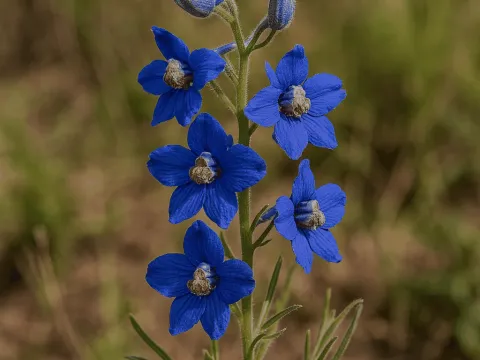
Delphinium denudatum
Delphinium denudatum
Delphinium denudatum is a perennial herbaceous plant belonging to the Ranunculaceae family. It is native to the Himalayan region and parts of Central Asia, where it has evolved to thrive in rocky, mountainous terrains with specific environmental pressures.
What the section contains
Delphinium denudatum
The plant requires well-drained, fertile soil to prevent root issues. It prefers a neutral to slightly alkaline substrate that provides essential minerals for its development. Heavy or waterlogged clay soils are generally unsuitable for large-scale cultivation of this species.
Sunlight exposure is a critical factor; Delphinium denudatum performs best in areas receiving full sun to light shade. Adequate light levels are necessary to maintain the structural integrity of the stems and to stimulate the production of secondary metabolites.
Climate adaptability is one of the key strengths of this plant, as it is naturally suited for temperate mountainous regions. It requires a distinct dormant period during winter, which is essential for the physiological processes leading to the next season's growth.
Effective agricultural management involves consistent soil aeration and careful moisture control. During the initial growth stages, balanced fertilization is recommended to support rapid vegetative development, while phosphorous-rich fertilizers are utilized later for root strength.
Fungal pathogens such as powdery mildew and root rot represent the most significant threats to the crop. These conditions are typically exacerbated by poor air circulation and excessive atmospheric or soil moisture during the peak growing season.
Insect pests, including aphids, spider mites, and the Delphinium fly, can cause significant damage to the foliage and buds. Infestations often occur in stressed plants, making the maintenance of optimal environmental conditions the first line of defense.
Integrated Pest Management (IPM) practices are highly recommended to keep populations of harmful insects under control. Monitoring the crop for early signs of leaf discoloration or wilting allows for timely intervention before the infection spreads across the field.
Sanitation practices, such as the removal and destruction of crop residues after the season, are essential to break the life cycle of overwintering pathogens. This reduces the risk of recurrent infestations in the subsequent growing year.
- Application of preventative fungicide sprays.
- Monitoring for early signs of leaf-eating larvae.
- Maintaining optimal spatial distance between plants to enhance ventilation.