
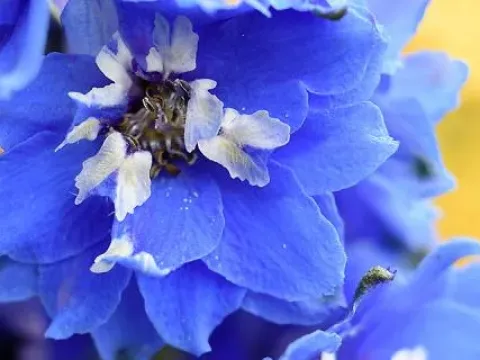
Delphinium hybrids
Delphinium hybrids
Sowing seeds of Delphinium hybrids can be done in late autumn or spring. If starting indoors, sowing should occur in late winter to ensure the plants are well-established before being transplanted into the garden once the danger of frost has passed.
What the section contains
Delphinium hybrids
Fresh seeds are crucial as their viability decreases rapidly over time. It is recommended to store seeds in a refrigerator until the sowing process begins to maintain their germination potential and prevent premature sprout degradation.
The seeds should be covered with a thin layer of soil, approximately 3-5 millimeters deep. A cool environment is preferred during the initial germination phase, typically maintaining temperatures around 10 to 15 degrees Celsius for the best results.
Transplanting seedlings requires caution due to the delicate nature of their root systems. It is best to perform this process by transferring the plant with a substantial root ball to minimize stress and ensure rapid establishment in the new location.
Spacing requirements vary depending on the variety, but typically range from 40 to 60 centimeters apart. Adequate spacing is necessary to provide proper ventilation, which is vital for reducing the risk of fungal infections in dense flower beds.
Delphinium hybrids belong to the Ranunculaceae family and consist of various cultivated forms prized for their tall, spikes of intense color. These robust perennials can reach heights of up to 2 meters, making them focal points in any ornamental landscape.
These plants thrive in sunny locations that are protected from strong winds. While they enjoy full sun, in areas with extremely hot summers, partial shade during the afternoon hours is beneficial to preserve the intensity of the floral pigments.
A fertile, well-draining, and humus-rich soil with a neutral or slightly alkaline pH is ideal for growing healthy delphiniums. Poor drainage will inevitably lead to crown rot, as these plants do not tolerate "wet feet" during the dormant season.
The maintenance routine includes consistent fertilization throughout the growing season. A nitrogen-rich fertilizer is applied in early spring, followed by phosphorus and potassium applications during the budding phase to support large, vibrant flower spikes.
Regular irrigation is necessary, particularly during dry spells. However, it is essential to water the soil at the base of the plant rather than overhead to prevent moisture from accumulating on the foliage, which encourages disease.
Powdery mildew is a common concern characterized by a white, dusty fungal growth on the leaves. It is managed through proper spacing to ensure airflow and the timely application of fungicides when the first signs of the infection appear.
Black spot is another foliage disease that causes dark lesions, eventually leading to premature leaf drop. Removing infected plant debris and applying copper-based fungicides can help control the spread of the pathogen within the garden.
Delphinium pests include the delphinium leaf miner and slugs. Slugs, in particular, can be devastating to young shoots, while specialized insecticides are often required to control insect pests that attack the developing floral buds.
Root and crown rot are serious threats caused by pathogens thriving in waterlogged conditions. Once a plant shows signs of systemic rot, it is usually necessary to remove and destroy it to prevent the infection from spreading to adjacent specimens.
Nematodes can also impact the root system, causing stunted growth and distorted foliage. Using clean, pathogen-free soil and selecting resistant cultivars are the primary strategies for maintaining healthy, long-lived perennial displays.