
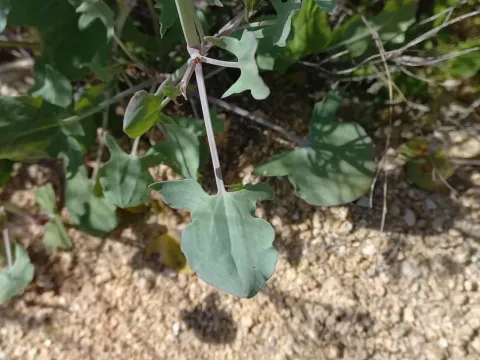
Indurate dock
Rumex induratus
Rumex induratus, commonly known as indurate dock, is a hardy perennial belonging to the Polygonaceae family. It is typically propagated by seeds sown directly into the soil during early spring, once the ground has thawed and warmed slightly.
What the section contains
Indurate dock
The seeds should be planted at a shallow depth of approximately 1 to 2 centimeters to ensure optimal light exposure and germination. Spacing between rows should be maintained at 30 to 45 centimeters to allow for adequate plant development.
Proper soil preparation is essential; the field should be plowed and leveled to create a fine, crumbly structure. This encourages the plant to establish a deep, efficient taproot system early on.
Sowing in autumn is also possible in milder climates, which allows the seedlings to establish before the onset of the following spring's growth cycle. Consistent soil moisture is crucial during the germination phase.
Young plants should be thinned to prevent overcrowding, ensuring that each plant has enough space to access nutrients and sunlight, which significantly improves the overall vigor of the crop.
Indurate dock thrives in a variety of soil types but prefers well-drained, fertile loams with a slightly acidic to neutral pH. It exhibits excellent adaptability to different environmental conditions.
The plant is known for its resilience and can tolerate periods of dryness, although for culinary leaf production, it requires regular irrigation. Water management is key to preventing the leaves from becoming bitter.
It prefers sunny locations, which promote rapid vegetative growth, though it can tolerate partial shade. Full sun is generally recommended for maximizing the yield of tender, green leaves.
Nutrient management involves applying organic matter or balanced fertilizers before planting and supplementing after each harvest. This sustains the plant's ability to produce multiple cuttings per season.
As a perennial, it demonstrates high cold tolerance, making it suitable for temperate regions. Once established, it remains productive for several years on the same site with minimal maintenance.
Common pests include the dock leaf beetle and various species of aphids. These insects can cause significant damage to the foliage, which reduces the marketability and yield of the harvest.
Diseases such as rust and downy mildew are the primary concerns for this crop. They are most prevalent in high-humidity conditions or when planting density is too high, preventing proper airflow.
Integrated pest management strategies, such as crop rotation and the use of natural insect predators, are highly effective in managing pest populations without the overuse of synthetic pesticides.
Maintaining clear, weed-free rows is a preventative measure against diseases, as weeds often act as hosts for pathogens and compete with the crop for water and nutrients.
Regular inspection of the crop during the growing season allows for early detection of issues, enabling localized treatments that minimize the need for broad-spectrum chemical applications.
Harvesting begins when the rosette leaves reach their desired size, usually about 40 to 50 days post-germination. Leaves are harvested by cutting them cleanly just above the crown of the plant.
Multiple cuttings can be taken throughout the season. It is vital to avoid cutting too low, as damage to the central growing point will inhibit future regrowth of the plant.
The harvest should ideally be conducted in the early morning to ensure the leaves remain crisp and retain maximum moisture content, which is essential for shelf-life after harvest.
Post-harvest handling involves quick cooling to prevent wilting. Proper storage techniques can significantly extend the shelf-life of the fresh greens before they reach the consumer.
At the end of the season, the plant should be left to accumulate energy in its root system for the winter. This ensures a strong start for the plant when the following spring growth begins.