
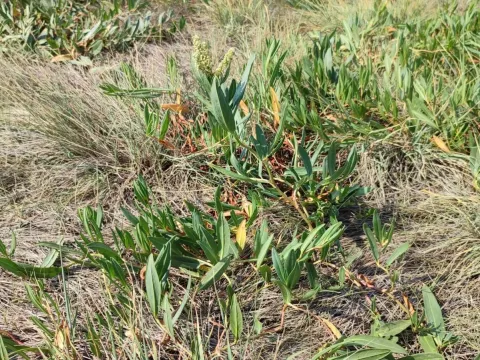
Knorringia
Knorringia
Sowing Knorringia requires a precise approach to substrate preparation, as the seeds are adapted to the specific conditions of high-altitude environments.
What the section contains
Knorringia
The ideal planting time starts when soil temperatures become stable, ensuring that the seeds do not suffer from sudden spring frosts or cold snaps.
Pre-treatment of seeds, including brief cold stratification, is highly recommended to break dormancy and ensure a uniform germination rate.
Seed depth should remain shallow, as the small size of the seeds limits the energy available for emerging through deep soil layers.
Proper spacing is crucial to prevent seedlings from competing for nutrients and water, which is particularly important during the early stages of growth.
Knorringia is a distinct genus within the Polygonaceae family, characterized by its evolutionary adaptation to harsh, mountainous habitats.
Its natural range is primarily concentrated in the arid and rocky mountainous regions of Asia, where it has evolved to thrive in low-nutrient environments.
The crop demands high light intensity to support its metabolic processes, making it unsuitable for shaded or sheltered agricultural locations.
The ideal soil profile for Knorringia is porous, gravelly, or sandy, which prevents waterlogging and provides the aeration required for healthy root systems.
In terms of climatic needs, the plant shows significant resilience to fluctuating temperatures but performs best in regions with low atmospheric humidity.
Pathogenic fungi are the primary threat to Knorringia, particularly when the crop is exposed to excess moisture or poor ventilation in the field.
Root rot often occurs if the soil drainage system fails, leading to rapid decay of the plant's vascular structure and subsequent wilting.
Insect pests, specifically aphids and certain mite species, tend to attack the foliage, which necessitates regular scouting and timely intervention.
Integrated pest management strategies should focus on maintaining plant health through proper spacing and moisture control rather than heavy chemical use.
In cases of infestation, biological control agents can be effective, provided that the ecological conditions remain favorable for their activity.