
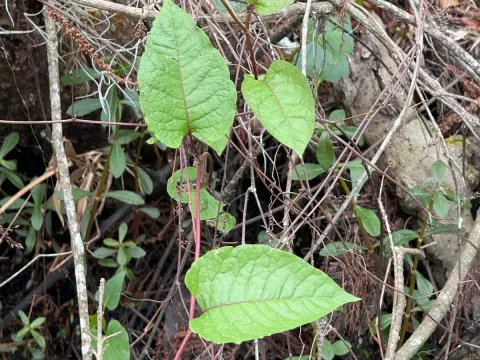
Brunnichia
Brunnichia
Propagation of Brunnichia is primarily achieved through seeds or stem cuttings. Sowing seeds outdoors should be done in early spring once the soil temperature is consistently above 15 degrees Celsius for optimal germination.
What the section contains

Brunnichia
When starting seeds in containers, ensure the medium is light and well-drained. Cold stratification of the seeds for several weeks significantly improves the germination rate and uniformity of the resulting seedlings.
Transplanting into the garden should occur after the final spring frost. Due to the sensitivity of the roots to disturbance, using biodegradable pots or careful soil-block transplantation is highly recommended to ensure survival.
Cuttings should be taken during the summer months when the wood is semi-hard. Using rooting hormone and keeping the environment humid will drastically increase the chances of successful propagation.
Proper spacing is essential to prevent overcrowding, allowing sufficient airflow between plants, which is a key factor in keeping the vines healthy and free from fungal issues as they mature.
Brunnichia belongs to the Polygonaceae (buckwheat) family and is characterized by its robust, woody vining habit. It thrives in full sun but will tolerate partial shade, provided it receives several hours of direct light daily.
The plant prefers fertile, loamy, and well-draining soils. While it is adaptable, it performs best when the organic content of the soil is high and moisture levels remain consistent throughout the growing season.
Water requirements are moderate, but the plant requires regular moisture during dry spells to prevent wilting. Mulching around the base can help retain soil moisture and suppress weed competition.
As a vigorous climber, Brunnichia requires sturdy support structures such as trellises, fences, or arbors. Pruning should be performed in late winter or early spring to manage the size and promote fresh, vigorous growth for the coming season.
The species is quite hardy and adaptable to various environmental conditions, making it an excellent choice for vertical landscaping and screening in temperate climate zones.
Brunnichia is generally resistant to most pests and diseases, but it can suffer from powdery mildew if air circulation is inadequate. Maintaining proper spacing and pruning helps to minimize these risks significantly.
Aphids and spider mites may occasionally infest the foliage, particularly in hot, dry conditions. Monitoring the underside of leaves for these pests and applying horticultural soap or neem oil is usually effective for control.
Root rot is the most common physiological disorder caused by overwatering or poor soil drainage. Ensuring that the site has excellent drainage is the best preventative measure for maintaining root health.
In some regions, general garden pests may nibble on young shoots, but established plants can withstand minor foliage loss without affecting their overall vigor or structural integrity.
By keeping the plant well-nourished and pruned, gardeners can ensure its resilience against common environmental stressors, reducing the need for chemical interventions in the garden.