
Hybrid Zoysia
hybrids between Zoysia japonica Steud. and Zoysia matrella (L.) Merr.
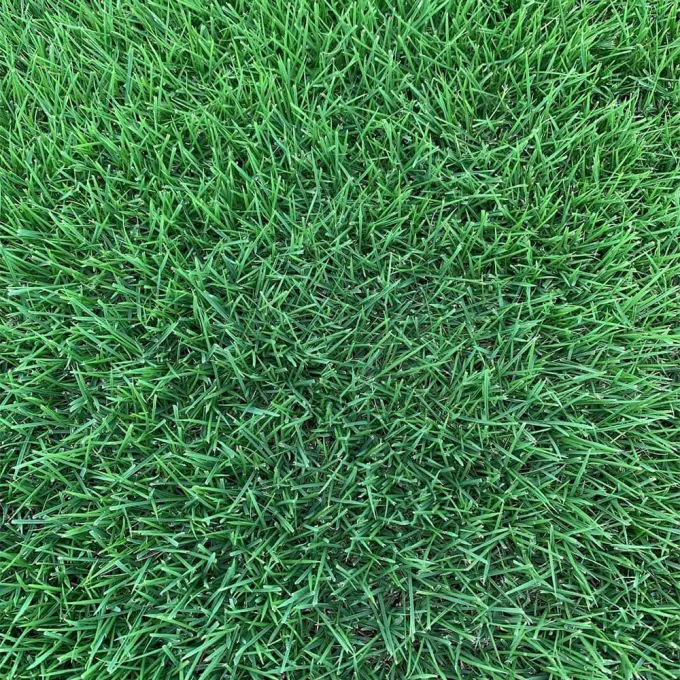
Description
Growing requirements
Hybrid Zoysia (Zoysia japonica x Zoysia matrella) is a warm-season turf grass within the Poaceae family, specifically engineered to combine the cold tolerance of one parent with the fine leaf texture of the other.
This grass utilizes a robust network of rhizomes and stolons to form a dense, carpet-like mat that is highly efficient at crowding out invasive weeds and enduring heavy foot traffic in residential or commercial settings.
It thrives in full sun exposure and generally requires at least 6 to 8 hours of direct sunlight per day to maintain its structural integrity and dense growth pattern throughout the growing season.
Soil requirements for optimal performance include well-aerated, slightly acidic to neutral soil, though it displays remarkable versatility across various soil types ranging from sandy to clay-heavy compositions.
Watering strategies are critical; while established Hybrid Zoysia exhibits exceptional drought tolerance, supplemental irrigation during prolonged dry spells significantly enhances its deep green color and vigor.
Main diseases and pests
The most prevalent pathological issue is large patch disease, caused by the fungus Rhizoctonia solani, which is often exacerbated by over-fertilization with nitrogen and poor air circulation during humid conditions.
Insect pests such as white grubs can cause significant damage to the root system, often resulting in large sections of the turf detaching from the soil, requiring immediate professional intervention.
Thatch accumulation is a physiological challenge that requires routine mechanical maintenance, such as vertical mowing or aerating, to allow water and nutrients to penetrate the root zone effectively.
Nematode infestations can lead to stunted growth and yellowing of the foliage, particularly in areas with poorly managed irrigation schedules that lead to prolonged moisture in the thatch layer.
Integrated Pest Management (IPM) practices, including proper mowing height and calibrated fertilizer application, are essential to maintain a healthy stand and reduce the reliance on chemical fungicides.