
Mascarene grass
Zoysia tenuifolia Willd. ex Thiele
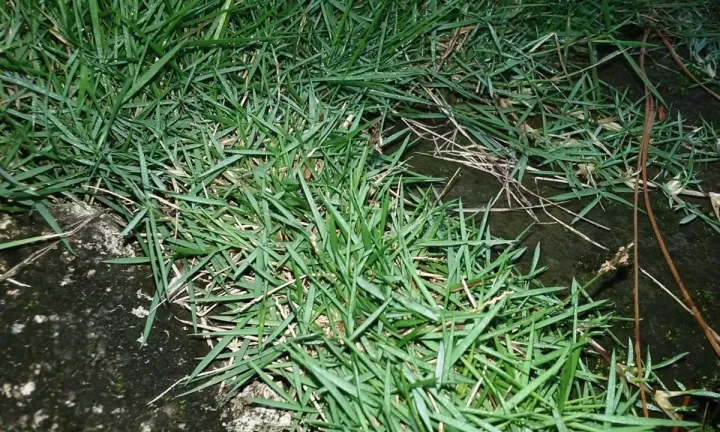
Description
Sowing dates
Seeding Zoysia tenuifolia requires careful planning and a warm environment. It is best to sow seeds during late spring or early summer when soil temperatures consistently reach at least 20 degrees Celsius to ensure uniform germination.
The soil preparation for seeding involves creating a fine, smooth, and weed-free seedbed. Because the seeds are very small, they should be lightly covered with a thin layer of soil or sand to protect them from birds and prevent desiccation.
Vegetative propagation is widely considered more effective than using seeds. Plugs or stolons can be planted in a grid pattern, allowing the grass to fill in the gaps over a period of several months through its rapid creeping growth habit.
During the establishment phase, moisture management is critical. The soil surface must remain consistently moist through light and frequent irrigation to prevent the seeds or young stolons from drying out.
Patience is required during the initial growing stages. Zoysia tenuifolia is known for its slow initial establishment rate compared to other warm-season grasses, so preventing weed competition is paramount during the first season.
Growing requirements
Zoysia tenuifolia, a member of the Poaceae family, is a perennial grass highly valued for its fine texture and luxurious, dense, carpet-like appearance. It originates from the Mascarene Islands and surrounding areas in Asia.
This species thrives in full sun but possesses a degree of shade tolerance that is better than many other Zoysia species. It is widely used in high-end landscaping, rock gardens, and as a low-maintenance ground cover for slopes.
It prefers well-drained soil but is exceptionally adaptable to various soil types, including sandy and slightly saline soils. It is highly valued for its drought tolerance once the root system is fully established.
Maintenance involves regular fertilization with a balanced NPK ratio during the active growing season. This ensures the grass maintains its dark green color and thick density throughout the summer months.
Temperature sensitivity is a key characteristic. While it withstands heat remarkably well, it enters dormancy and turns brown when exposed to cold temperatures or frost, resuming growth once the warm weather returns.
Main diseases and pests
Disease pressure on Zoysia tenuifolia is relatively low, but it can be susceptible to large patch disease (Rhizoctonia solani) under conditions of excessive moisture and poor drainage. Ensuring good air circulation is the best preventative measure.
Pest problems are generally minor. However, in some regions, mole crickets or grubs can damage the root system. Monitoring the lawn for signs of irregular patches or thinning is recommended for early detection.
Weed infestation is a major concern primarily during the establishment phase. Once the lawn achieves full density, its aggressive creeping habit usually prevents most weeds from successfully infiltrating the turf.
Improper mowing practices can negatively impact the health of the grass. Using dull mower blades can tear the leaves rather than cutting them cleanly, which creates entry points for various pathogens and leads to a ragged appearance.
Accumulation of thatch over several years is a natural process that must be managed. Failure to dethatch or aerate the soil will eventually restrict the movement of water, air, and essential nutrients, causing the lawn to decline.