
Zoysia matrella
Zoysia matrella (L.) Merr.
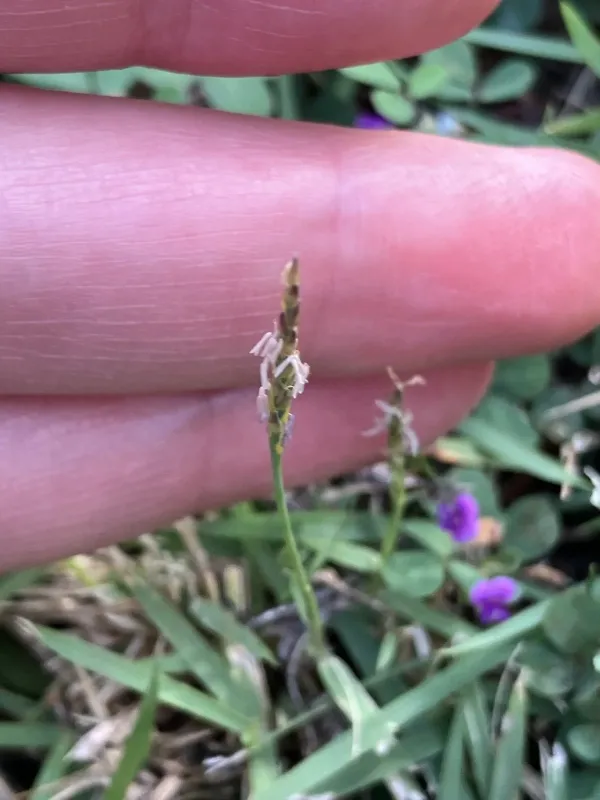
Description
Growing requirements
Zoysia matrella (Zoysia matrella (L.) Merr.) is a perennial warm-season grass belonging to the Poaceae family. It originates from Southeast Asia and is widely cultivated in tropical and subtropical regions for its superior turf-forming capabilities.
Botanically, it is characterized by fine leaf texture, a slow growth rate, and a deep, extensive root system. It spreads laterally via both rhizomes and stolons, creating a dense, carpet-like turf that suppresses weeds effectively and feels soft to the touch.
The grass is highly adapted to warm climates and thrives in full sun, though it exhibits better shade tolerance than most other warm-season grass species. Its growth is most vigorous during high summer temperatures, and it enters dormancy when soil temperatures drop below 15°C.
Regarding soil requirements, Zoysia matrella is adaptable but performs optimally in well-drained, fertile soils with a pH ranging from 6.0 to 7.0. It is notably salt-tolerant, making it an excellent choice for coastal landscape installations and residential properties near maritime environments.
In terms of economic and practical use, it is a premier choice for golf course fairways, tees, and high-quality residential lawns. Its ability to withstand frequent low mowing and high foot traffic makes it one of the most durable turfgrasses available for professional landscaping.
Main diseases and pests
The primary diseases affecting Zoysia matrella include Large Patch (caused by Rhizoctonia solani), which typically appears as large, unsightly orange-brown patches during cool, wet spring or autumn conditions.
Pest pressures are generally manageable but can include grubs, such as Japanese beetle larvae, and surface feeders like billbugs or sod webworms, which require integrated pest management strategies to maintain turf health.