
Zoysia hybrid
Zoysia hybrid
Description
Sowing dates
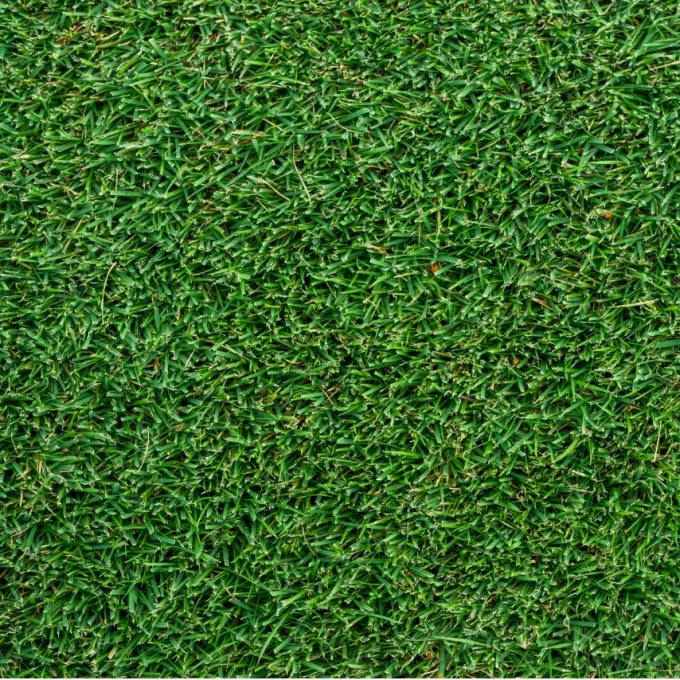
Zoysia hybrid is a specialized perennial grass species belonging to the Poaceae family, developed by crossing different Zoysia varieties to enhance cold tolerance, blade texture, and growth speed. It is widely recognized as a premier choice for residential and professional turf applications.
The optimal planting time for Zoysia hybrid is late spring to early summer when soil temperatures are consistently above 20 degrees Celsius. This ensures rapid germination and establishment of the root system during the plant's peak growing season.
While seeding is possible, vegetative propagation through plugs or sod is the industry standard. This method allows for a uniform establishment, as the hybrid varieties often maintain their superior characteristics better through clonal expansion than through seed development.
When planting plugs, they should be spaced according to the expected growth rate of the specific hybrid. With proper fertilization and regular irrigation, the stolons will spread and bridge the gaps, creating a dense, weed-suppressing carpet.
Adequate soil preparation is crucial before planting. Removing existing weeds, tilling the topsoil, and ensuring the surface is level will significantly improve the initial survival rate of the Zoysia hybrid transplants.
Growing requirements
Zoysia hybrid thrives in full sun, requiring at least 6-8 hours of direct light daily. While some hybrid varieties exhibit better shade tolerance than their ancestors, their overall health and density are significantly reduced in shaded environments.
The species is highly adaptable to various soil types, but it performs best in well-drained, sandy loam soils. It can tolerate slightly acidic to neutral pH levels, making it versatile for many geographic regions.
A key feature of Zoysia hybrid is its exceptional drought tolerance. The grass features a deep root system that can access moisture at lower soil profiles, allowing the lawn to remain resilient even during extended hot and dry periods.
During the peak of summer, occasional deep watering is better than frequent light misting. Deep irrigation encourages roots to grow downwards, increasing the plant's long-term endurance and ability to withstand high temperatures.
Nutrient management involves applying balanced fertilizers during the active growing months. Avoid excessive nitrogen late in the season, as this can encourage succulent growth that is susceptible to frost damage during winter months.
Main diseases and pests
Although naturally robust, Zoysia hybrid can be affected by Large Patch disease (Rhizoctonia solani), especially during cool and wet spring or autumn weather. This manifests as circular patches of yellowing or necrotic tissue.
Dollar Spot and rust fungi may occur if there is poor air circulation or extended periods of high humidity. Regular mowing and vertical thinning help reduce the buildup of thatch, which often harbors these pathogens.
Insect pests such as white grubs or mole crickets can cause damage by feeding on the root system. Regular monitoring of the lawn's condition, especially during the peak egg-laying season of these insects, is essential for early intervention.
Proper thatch management is a critical preventive measure. Accumulation of organic debris limits water penetration and nutrient uptake, weakening the grass and making it more prone to stress and disease attacks.
Using integrated pest management (IPM) practices, including the use of resistant hybrid varieties and sound irrigation protocols, is the most effective way to maintain a healthy Zoysia hybrid stand without over-relying on chemical treatments.