
Zoysia japonica
Zoysia japonica Steud.
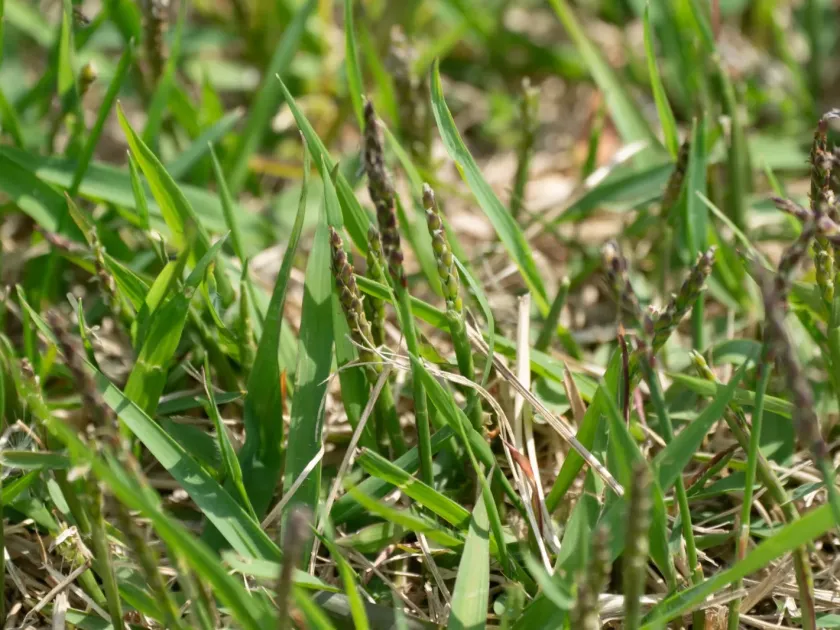
Description
Sowing dates
The ideal time to plant Zoysia japonica seeds is during late spring or early summer when soil temperatures are consistently above 20°C.
Germination is notoriously slow, which necessitates keeping the soil surface constantly moist during the first three weeks following planting.
In cooler regions, it is essential to establish the turf well before the first autumn frost to ensure the root system is sufficiently developed.
Seeding rates typically range from 5 to 10 grams per square meter to achieve an even coverage without overcrowding the seedlings.
Vegetative propagation using plugs or sod pieces is often preferred by professionals as it ensures a weed-free and uniform establishment much faster.
Growing requirements
Zoysia japonica is a member of the Poaceae family, widely recognized for its cold tolerance compared to other warm-season grass species.
This grass thrives in full sun but maintains reasonable growth in light shade, making it a versatile choice for landscaping various types of environments.
It prefers well-drained, slightly acidic to neutral soils, though it shows remarkable adaptability to various soil compositions including heavy clays.
Drought tolerance is one of the key agronomic benefits, as the plant enters a dormant state rather than dying when faced with extreme water shortages.
Maintenance involves routine mowing to a height of 2 to 5 centimeters to encourage lateral growth and a dense, carpet-like appearance.
Main diseases and pests
The most significant pathological threat to Zoysia japonica is large patch disease, caused by fungi that thrive under warm and wet soil conditions.
Leaf blight and rust can also appear during periods of high humidity and poor air circulation, often requiring targeted fungicidal intervention.
Insect pests such as grubs can cause severe damage to the root system, leading to irregular dead patches that are easily lifted from the soil.
Management of thatch buildup is crucial, as excessive organic matter provides a sanctuary for pathogens and impedes proper fertilizer penetration.
Cultural control practices, including core aeration and light topdressing, are highly recommended to mitigate disease pressure and boost plant vigor.