
Chinese Zoysia
Zoysia sinica Hance
Description
Growing requirements
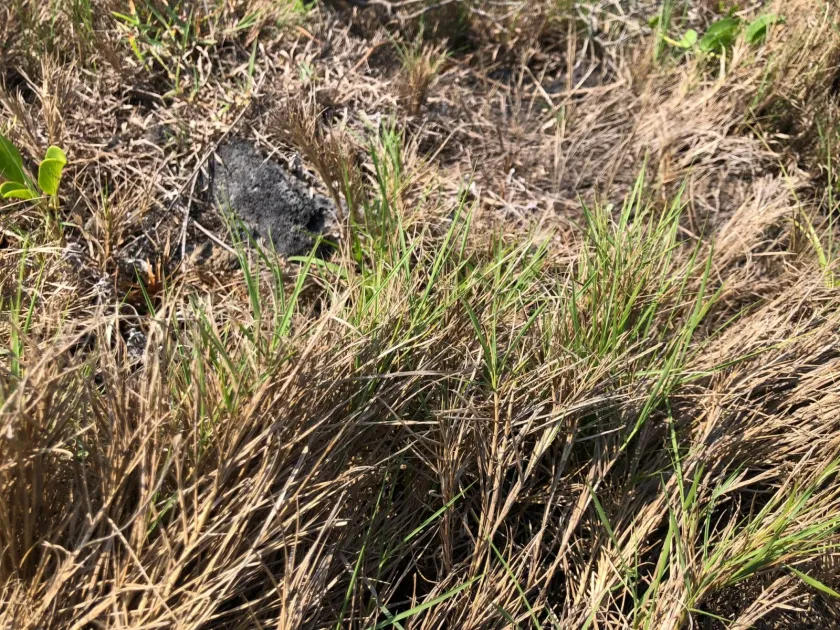
Chinese Zoysia (Zoysia sinica Hance) is a perennial grass species belonging to the Poaceae family. It is a low-growing, rhizomatous plant known for its ability to create a dense, turf-forming ground cover that is highly resistant to foot traffic.
The native range of this species extends across the coastal regions of East Asia. It has evolved to thrive in challenging maritime environments, demonstrating a remarkable tolerance to salt spray and sandy soil conditions that typically prove inhospitable to other grass varieties.
The cultural requirements for this plant focus on high light intensity. It is a warm-season grass that enters a period of dormancy during the winter and reaches peak growth rates when soil temperatures rise above 20°C, making it an excellent choice for temperate and subtropical climates.
Regarding soil, Zoysia prefers well-drained conditions. While it is highly drought-tolerant, consistent soil moisture during the establishment phase is crucial for deep root development, which subsequently allows the mature grass to survive extended dry periods.
The practical application of Chinese Zoysia is broad, ranging from erosion control on slopes to the installation of durable lawn areas. Its rigid leaf texture and robust root architecture make it an ideal choice for landscaping in areas subject to heavy environmental stress.
Main diseases and pests
The primary disease concerns for this species are related to fungal pathogens, particularly in areas with poor airflow and excessive soil moisture. Common issues include rust diseases and various leaf spots which appear after prolonged humid weather.
Root rot represents a significant threat to the health of the turf. It is usually triggered by waterlogging, which necessitates careful monitoring of irrigation practices and the maintenance of a proper drainage system within the soil profile.
Insect pests such as white grubs are the most destructive threat to the root system. These larvae feed on the roots underground, leading to loose patches of grass that can be easily pulled away, indicating severe infestation and damage.
Effective management against pests requires a combination of cultural practices, such as proper mowing height, and the judicious use of chemical controls only when necessary. Regular scouting for early signs of damage is essential for preventing significant lawn loss.
To maintain high levels of resistance to pests and diseases, the agronomic focus should be on balanced fertilization. Avoiding excessive nitrogen application prevents overly succulent growth, which is more susceptible to fungal attacks and environmental stress.