
Japanese lawngrass
Zoysia japonica x Zoysia tenuifolia
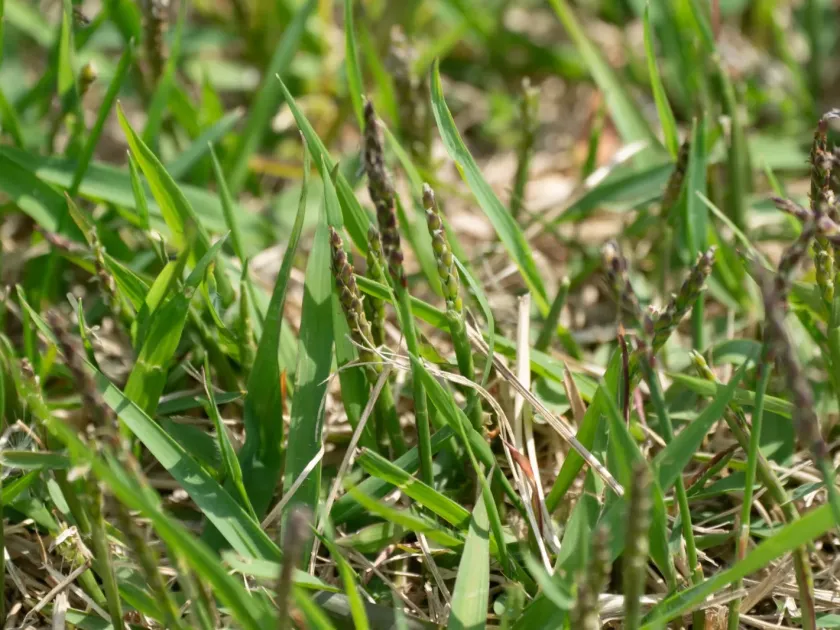
Description
Sowing dates
The seeding of Zoysia japonica should take place in late spring or early summer when soil temperatures are consistently above 20°C. Since the seeds are slow to germinate, warmth is the most critical factor to ensure successful establishment.
Proper seedbed preparation is essential; the soil must be free of weeds, tilled to a fine texture, and leveled. Because Zoysia seedlings grow slowly, competing weeds can easily overwhelm them in the early stages of development.
Seeds should be sown at a shallow depth of approximately 0.5 to 1 cm. After seeding, the area should be rolled to ensure good seed-to-soil contact, followed by a light covering with mulch to retain moisture.
Consistent soil moisture must be maintained throughout the entire germination period, which typically spans several weeks. Using a light cover or professional turf blankets can prevent the soil from drying out and provide a stable microclimate for the developing seedlings.
Once established, the plant spreads via rhizomes and stolons, forming a thick, durable mat of turf that effectively suppresses potential weed invasion over time.
Growing requirements
Japanese lawngrass (Zoysia japonica) belongs to the Poaceae family. It is a warm-season perennial grass known for its high resilience to drought, heat, and foot traffic, making it a preferred choice for golf courses and residential landscapes.
The plant thrives in well-drained soils with a pH between 6.0 and 7.5. While it is remarkably drought-tolerant, supplemental irrigation during prolonged dry spells is necessary to maintain a lush, green appearance.
A key biological feature of Zoysia is its ability to enter dormancy during extreme moisture stress by rolling its leaves to conserve water. It resumes active growth rapidly once irrigation or rainfall is restored.
Full sun exposure is required for optimal performance. While it shows better shade tolerance than some other warm-season grasses, inadequate light levels will result in thin, sparse growth and an increased susceptibility to fungal issues.
- Excellent wear resistance.
- High drought and heat tolerance.
- Low nutritional requirements compared to cool-season grasses.
- Adaptable to a wide range of soil conditions.
Main diseases and pests
The most common issues affecting Zoysia japonica are fungal diseases, particularly rust and leaf spot. These conditions are typically exacerbated by poor air circulation, excessive humidity, and over-irrigation.
To prevent disease outbreaks, it is crucial to avoid evening watering and ensure that the turf is mowed at the correct height. Aeration is a vital maintenance practice to improve oxygen flow to the roots and reduce thatch buildup.
Soil-dwelling insects, such as white grubs, can cause significant damage by feeding on the root system. If damage is detected, targeted insecticide treatments may be necessary to preserve the integrity of the turf mat.
Thatch management is also essential; excessive accumulation can harbor pests and pathogens. Regular scarification or power raking will help maintain a healthy, vigorous growing environment for the grass.
Overall, Zoysia japonica is a robust species, and most disease or pest problems can be effectively mitigated through appropriate cultural practices and proactive lawn management strategies.