
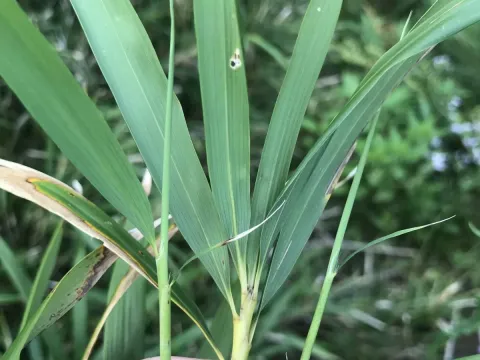
Pleioblastus
Pleioblastus
Pleioblastus is a genus of evergreen perennials within the Poaceae family, commonly recognized as a type of bamboo. Originating from East Asia, these plants have become highly valued in temperate climates for their versatility and aesthetic appeal in various landscape designs.
What the section contains
 Pleioblastus chino
Pleioblastus chino
Pleioblastus chino
 Pleioblastus distichus
Pleioblastus distichus
Pleioblastus distichus
 Pleioblastus fortunei
Pleioblastus fortunei
Pleioblastus fortunei
 Pleioblastus gramineus
Pleioblastus gramineus
Pleioblastus gramineus
 Pleioblastus hindsii
Pleioblastus hindsii
Pleioblastus hindsii
 Pleioblastus humilis
Pleioblastus humilis
Pleioblastus humilis
 Pleioblastus linearis
Pleioblastus maculatus
Pleioblastus maculatus
Pleioblastus linearis
Pleioblastus linearis
Pleioblastus maculatus
Pleioblastus maculatus
 Pleioblastus simonii
Pleioblastus variegatus
Pleioblastus variegatus
Pleioblastus viridistriatus
Pleioblastus viridistriatus
Pleioblastus simonii
Pleioblastus simonii
Pleioblastus variegatus
Pleioblastus variegatus
Pleioblastus viridistriatus
Pleioblastus viridistriatus
 Silverstripe bamboo
Pleioblastus argenteostriatus
Silverstripe bamboo
Pleioblastus argenteostriatus
Pleioblastus
Botanically, these plants feature aggressive rhizome systems that allow them to spread rapidly. Depending on the species, they can vary from low-growing ground cover types to taller varieties that reach significant heights, characterized by their sturdy, segmented stalks and narrow leaves.
Successful cultivation of Pleioblastus requires well-drained, fertile soil with a neutral to slightly acidic pH. The plant performs best in locations that receive ample sunlight but are protected from harsh, drying winds, although some varieties show good tolerance to partial shade.
The climate requirements involve maintaining consistent moisture throughout the growing season. While established plants are relatively hardy, young specimens benefit significantly from heavy mulching during winter months to protect their shallow root systems from deep soil freezing.
The primary use of Pleioblastus is in ornamental horticulture, where it is utilized for erosion control, living privacy screens, and as a structural element in modern gardens. It is particularly effective for large-scale landscaping due to its ability to create dense, weed-suppressing thickets.
Common pests associated with Pleioblastus include spider mites and mealybugs, which thrive in dry environmental conditions. Gardeners should monitor the foliage for early signs of infestation and utilize appropriate horticultural oils or systemic insecticides to manage pest populations effectively.
Root rot and stem rot represent the most significant disease threats, usually triggered by waterlogged conditions or poor soil drainage. Ensuring that the planting site has sufficient drainage and avoiding excessive irrigation during the dormant season are critical preventive measures.
Leaf rust or other fungal leaf spots may occur in environments with high humidity and stagnant air. Promoting air circulation through proper spacing and occasional thinning of overcrowded stalks will improve plant health and help prevent the spread of fungal pathogens across the bamboo stand.