
Pleioblastus hindsii
Pleioblastus hindsii
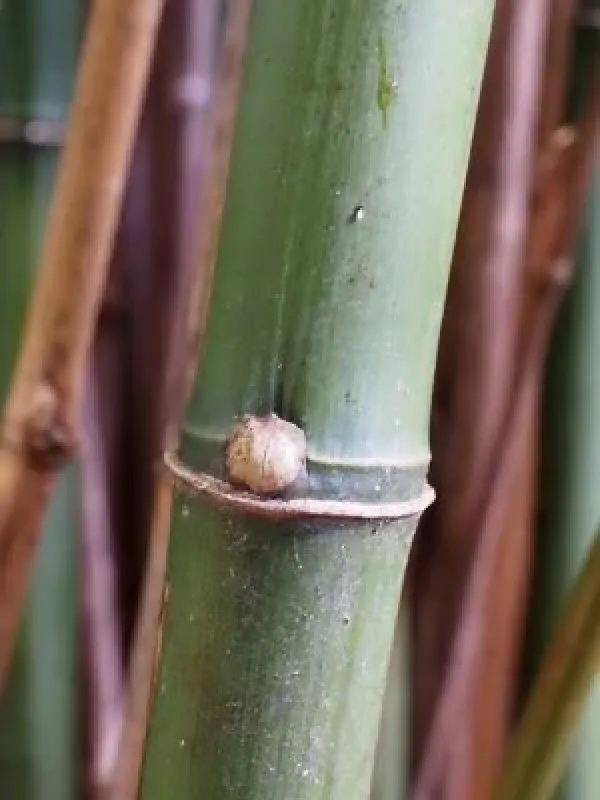
Description
Growing requirements
Pleioblastus hindsii, commonly known as Hinds' bamboo, belongs to the Poaceae family. This species is a graceful, evergreen bamboo highly valued for its striking vertical growth habit and slender, lance-shaped leaves.
The plant originates from Japan and China, where it thrives in moist woodland environments. It is characterized by its ability to form dense, upright clumps, making it an excellent choice for privacy screens and structural garden plantings.
For optimal growth, it requires fertile, well-draining soil with a pH ranging from slightly acidic to neutral. It is essential to avoid sites prone to waterlogging, as the rhizomes are susceptible to rot under anaerobic conditions.
Climate requirements for this species are relatively moderate. It is considered hardy to approximately -15°C, but in colder regions, it benefits from a thick layer of mulch around the base to protect the root system during winter.
Regarding light conditions, partial shade is preferred. While it can tolerate more sun in cooler northern climates, harsh afternoon sun in hot regions may scorch the foliage, reducing the overall aesthetic appeal of the plant.
Main diseases and pests
The most common disease affecting this bamboo is powdery mildew, which often appears in stagnant, humid air conditions. Ensuring proper spacing between plants and maintaining adequate airflow helps significantly in preventing fungal infections.
Pests, particularly spider mites, can be a nuisance during hot, dry spells. These tiny arachnids thrive in low humidity and can cause yellowing and stippling of the leaves if left untreated by regular overhead misting or insecticidal soap.
Soil-borne pests like wireworms can occasionally attack young rhizomes. Maintaining a clean cultivation area free of perennial weeds is a primary preventative measure against subterranean pest infestations.
Nutrient deficiency may manifest as chlorosis or stunted growth. Regular applications of balanced organic fertilizer during the early spring flush will help the plant maintain its deep green color and robust structure.
Ultimately, vigilance is key to a healthy grove. Regular monitoring for signs of stress or pest colonization allows for early intervention, ensuring the long-term vitality of the bamboo planting.
Harvesting
The primary use of Pleioblastus hindsii is ornamental landscaping. Its dense, erect culms make it a superior choice for soundproofing, windbreaks, and creating lush, year-round green boundaries in temperate gardens.
In terms of management, annual pruning is recommended to maintain the health and vigor of the grove. Removing the oldest, weakest culms each spring encourages the plant to produce new, stronger shoots during the growing season.
Propagation is best achieved through rhizome division. The process should be undertaken in early spring, ensuring that each division has a healthy portion of the root system and at least a few strong buds or small stems.
Gardeners should consider the spreading habit of this bamboo. Installing a root barrier at the time of planting is highly advised to contain the rhizomes and prevent the plant from encroaching upon other garden areas.
Harvesting for craft or construction purposes is possible once the culms reach maturity, which typically occurs after three years. At this stage, the stems are at their peak strength and can be used for light garden support structures.