
Pleioblastus distichus
Pleioblastus distichus
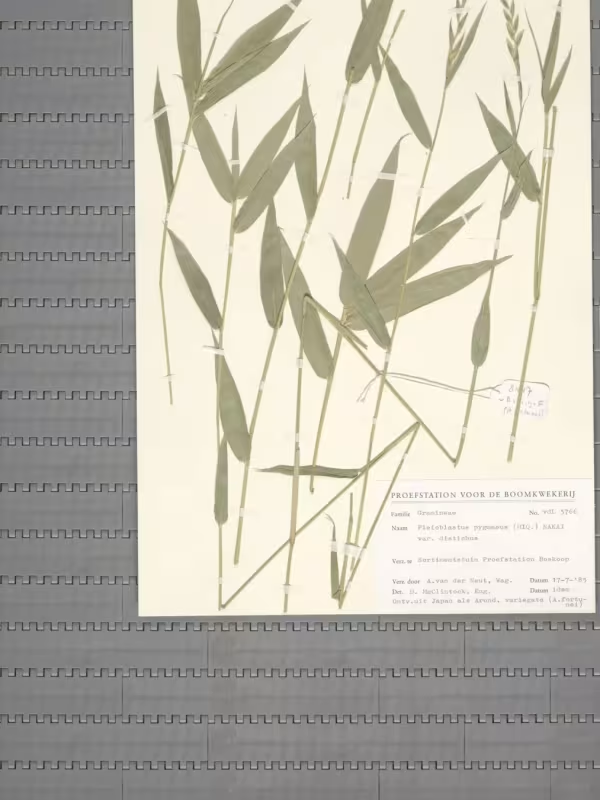
Description
Growing requirements
Pleioblastus distichus is a species of dwarf bamboo belonging to the Poaceae family, widely recognized for its compact size and ornamental value. Originating from Japan, this plant is valued for its unique foliage arrangement where leaves are set in two distinct rows along thin, zigzagging stems.
This species typically reaches a height of 20 to 40 centimeters. It features a spreading root system that allows it to form dense, lush green carpets, making it an excellent choice for ground cover in shaded or semi-shaded areas of a landscape or garden.
For optimal growth, the plant requires fertile, moist, and well-drained soil. It thrives in slightly acidic to neutral substrates rich in organic matter. Proper drainage is essential, as the roots are highly susceptible to rot if subjected to waterlogging or anaerobic soil conditions.
Climatic requirements involve protection from harsh winds and extreme temperatures. While hardy, the plant benefits from a layer of mulch in colder climates to protect the rhizomes during winter. It performs best in partial shade, where the leaves maintain their deep green, vibrant color throughout the season.
Agrotechnical practices must include the installation of rhizome barriers. Because the plant spreads via underground runners, it can become aggressive if not contained. Pruning old or damaged stems in early spring is necessary to promote new, fresh growth and maintain the aesthetic appeal of the planting.
Main diseases and pests
The most significant threat to Pleioblastus distichus is root decay caused by poor drainage. Ensuring the planting site has adequate water flow is the most important cultural practice to prevent pathogens from attacking the rootstock during periods of high rainfall.
Pests, particularly spider mites and aphids, may occasionally affect the foliage, especially during hot and dry summer months. Regular misting and maintaining optimal soil moisture help create an environment less favorable for these pests while keeping the plant vigorous.
Fungal diseases affecting the leaves can occur in overcrowded plantings with poor air circulation. Thinning out older, congested canes is an effective management strategy to ensure air movement and light penetration, which inhibits the development of mold or rust pathogens.
Application of fungicides should be used as a last resort, prioritizing integrated pest management (IPM) strategies. Monitoring the plants in early spring allows for the timely removal of any dead or winter-damaged material, which is a common source of infection.
Nutritional management is straightforward: a balanced fertilizer applied once in the spring encourages dense, uniform growth. A healthy, well-fed plant is naturally more resistant to the physiological stress that often precedes disease outbreaks in ornamental bamboo species.